
Scroll Top

Vending Services for Drivers, Contractors, and Visitors at Alliance Logistics Facilities

Most warehouse vending plans start with one number: employee headcount.

That number matters, but at an Alliance logistics facility, it rarely tells the whole story. A building may have 120 employees on payroll while another 40 truck drivers, contractors, technicians, inspectors, vendors, and visitors move through the property on a normal day.

Those people may wait at receiving, spend hours near a loading area, work on equipment after the office closes, or arrive when nearby food options are limited. They still buy water, coffee, energy drinks, snacks, and meals. Yet many vending plans ignore them completely.

From a vending operator’s point of view, that is a mistake. The people passing through a logistics property can create a large share of its actual refreshment demand. If the service is planned only around employees sitting in the main breakroom, the equipment may be placed in the wrong area, stocked with the wrong products, and serviced at the wrong times.

Daily Traffic at an Alliance Facility Includes Far More Than Employees

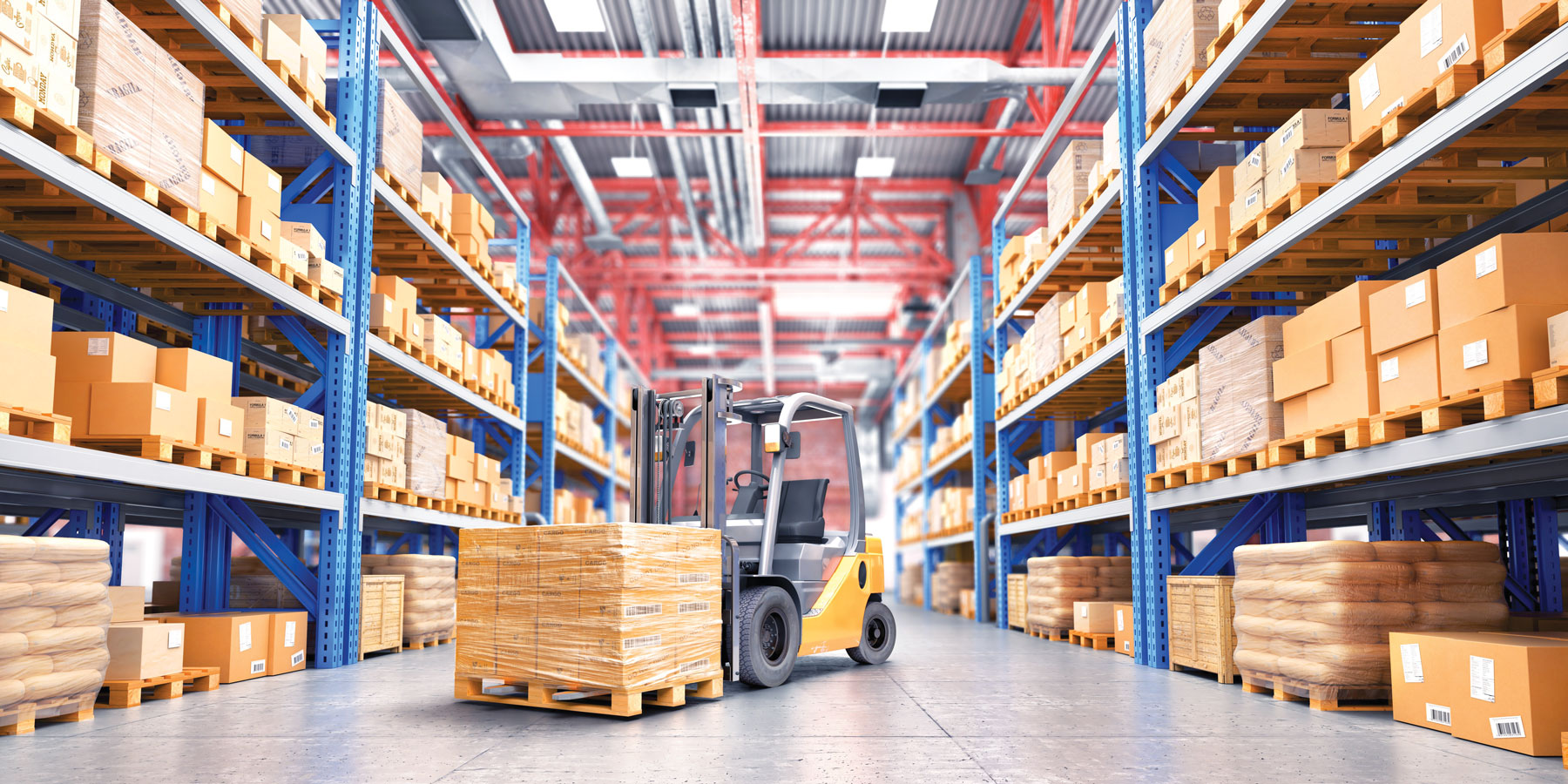
Consider a distribution center near Alliance with 130 employees. On paper, it looks like a straightforward warehouse account. The facility runs two shifts, so the initial plan calls for one snack machine, one drink machine, and a smart cooler in the employee breakroom.

Then the site visit tells a different story.

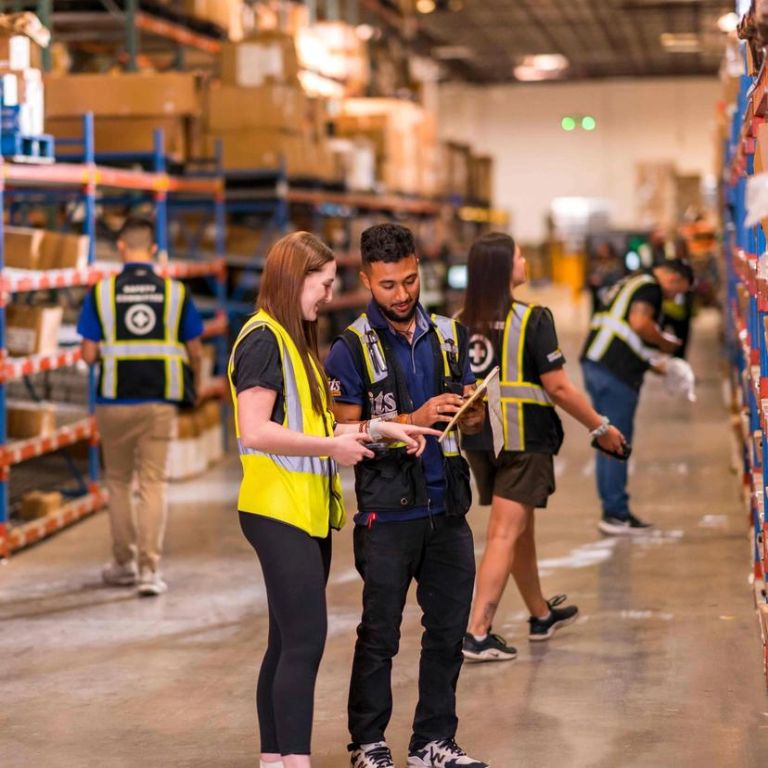
Twenty to thirty drivers may check in during a busy day. Some wait outside the receiving office while paperwork is processed. Contractors work on conveyors, dock doors, refrigeration equipment, or electrical systems. Vendors attend meetings. Temporary workers arrive during seasonal volume. Corporate visitors occasionally spend several hours touring the facility.

The real daily audience is closer to 175 people, sometimes more.

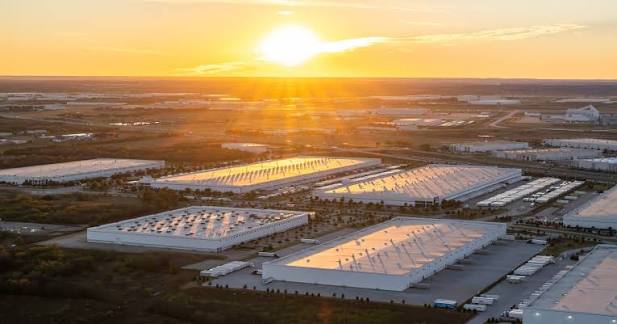
Alliance Texas is a major freight and logistics hub connected by highways, air cargo, and intermodal rail. The Texas Comptroller describes it as an important southwestern port of entry, while BNSF operates its Alliance Intermodal Facility around the clock.[1][2] That kind of environment naturally creates a steady flow of people who do not appear on the employee roster.

This changes how I would evaluate the account. I want to know how many drivers check in each day, where they wait, how long they usually remain on-site, and whether they can access the employee breakroom.

I also want to know how many outside technicians and contractors work evenings or weekends. Those details matter just as much as the payroll count.

A logistics facility may have enough total traffic to support more vending equipment than management initially expects. The opposite can also happen. A building may report 250 employees, but many work remotely, travel frequently, or use different buildings. Counting badges is not the same as counting people who actually pass the machines.

A good site review looks at movement, not just headcount.

Federal hours-of-service rules require many commercial drivers to take a break of at least 30 consecutive minutes after eight cumulative hours of driving without a qualifying interruption. That does not mean every driver will take that break inside the facility, but it does explain why driver waiting areas and lounges can become active refreshment points.

A driver waiting for a trailer may not have time to leave the property. A contractor working on a dock system after midnight may find that nearby restaurants are closed. A visitor attending a three-hour meeting may want a drink without asking an employee where the nearest store is.

These are small situations individually. Across a busy week, they add up.

texas vending logo

Ready to Upgrade Your Break Room?

Texas Vending helps North Texas offices add coffee, snacks, fresh food, smart coolers, and micro market service without extra work for your staff.

Get a local team, flexible setup, no long-term contract, and fast support for your break room.
Equipment Placement and Product Selection Need to Follow the Traffic

The worst location for a vending machine is often the spot that looks nicest on a floor plan.

A polished employee breakroom may be twenty doors away from the receiving desk and completely inaccessible to visiting drivers. Security policies may prevent contractors from entering the main office. Visitors may only have access to the lobby, conference area, or guarded entrance.

If those people are part of the expected demand, the equipment needs to sit where they are legally and practically allowed to use it.

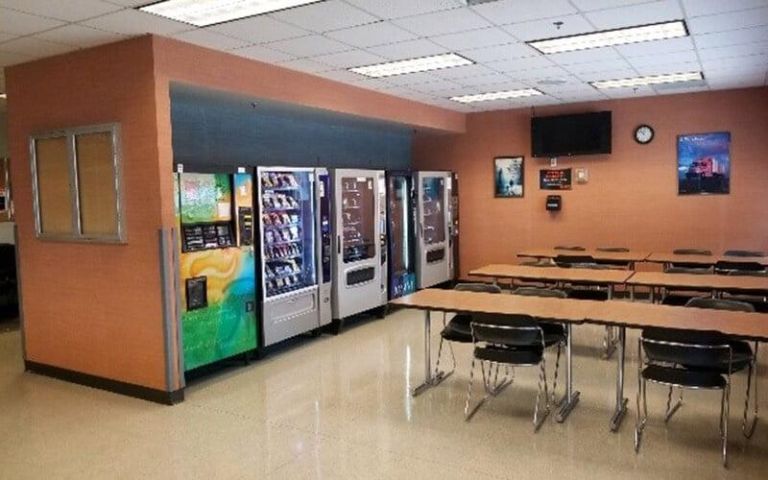
In the distribution center example, the main employee breakroom still needs vending. But the facility may also benefit from a smaller drinks machine, snack machine, or smart cooler near the driver lounge or receiving area. Another option is placing equipment in a shared corridor before the secured employee-only section.

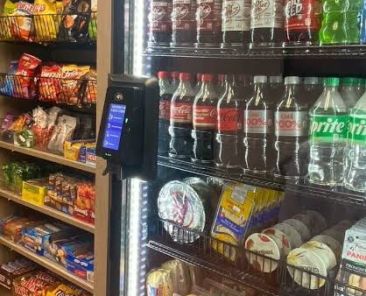
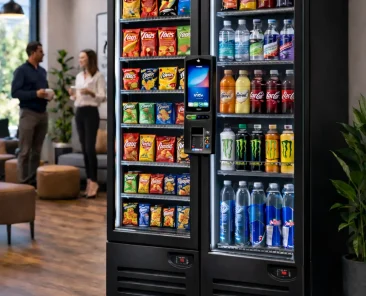
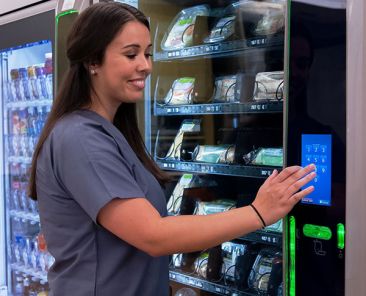
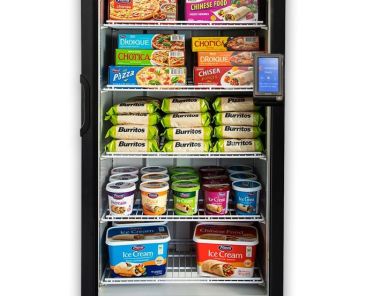
I would not put a large market in an area with uncontrolled public access unless the site has the right security and traffic. Traditional cashless vending or a locked smart cooler can be a better fit for driver and contractor areas because the products remain enclosed and payment is handled without staff involvement.

All equipment should be cashless. Drivers and visitors are unlikely to carry the exact payment method a machine requires, and nobody at the front desk wants to manage change or handle purchases. Credit cards, debit cards, and mobile wallets keep the process simple.

The product mix should also match the customer.

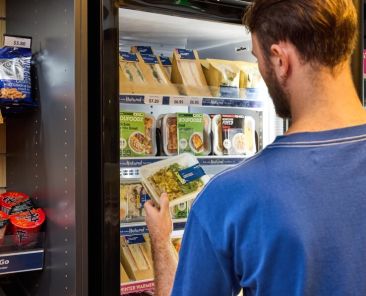
Employee breakrooms may support salads, wraps, yogurt, frozen meals, and office-style snacks. Driver areas often perform better with bottled water, electrolyte drinks, energy drinks, bottled coffee, larger snacks, protein bars, sandwiches, and items that can be eaten without much setup.

Contractors may arrive early and stay through lunch. Breakfast sandwiches, pastries, coffee, protein drinks, and filling snacks can move well in the morning. Afternoon visitors may buy water, tea, soda, and lighter items. Overnight crews usually need products with enough substance to replace a meal when food options nearby are limited.

The point is not to stereotype every driver or contractor. The point is to stop stocking every location as if every customer has the same schedule.

During the first few weeks, sales should be reviewed by product and time of day. If bottled coffee sells out before 8 a.m., add more. If the driver lounge moves twice as much water as soda, give water more space. If fresh sandwiches sell but salads sit, change the mix instead of forcing the original plan.

The facility should also post clear payment and refund instructions. Visitors will not know the vending provider, and they should not have to track down a warehouse supervisor over a payment question. A visible phone number or QR code keeps small service issues away from the receiving and security teams.

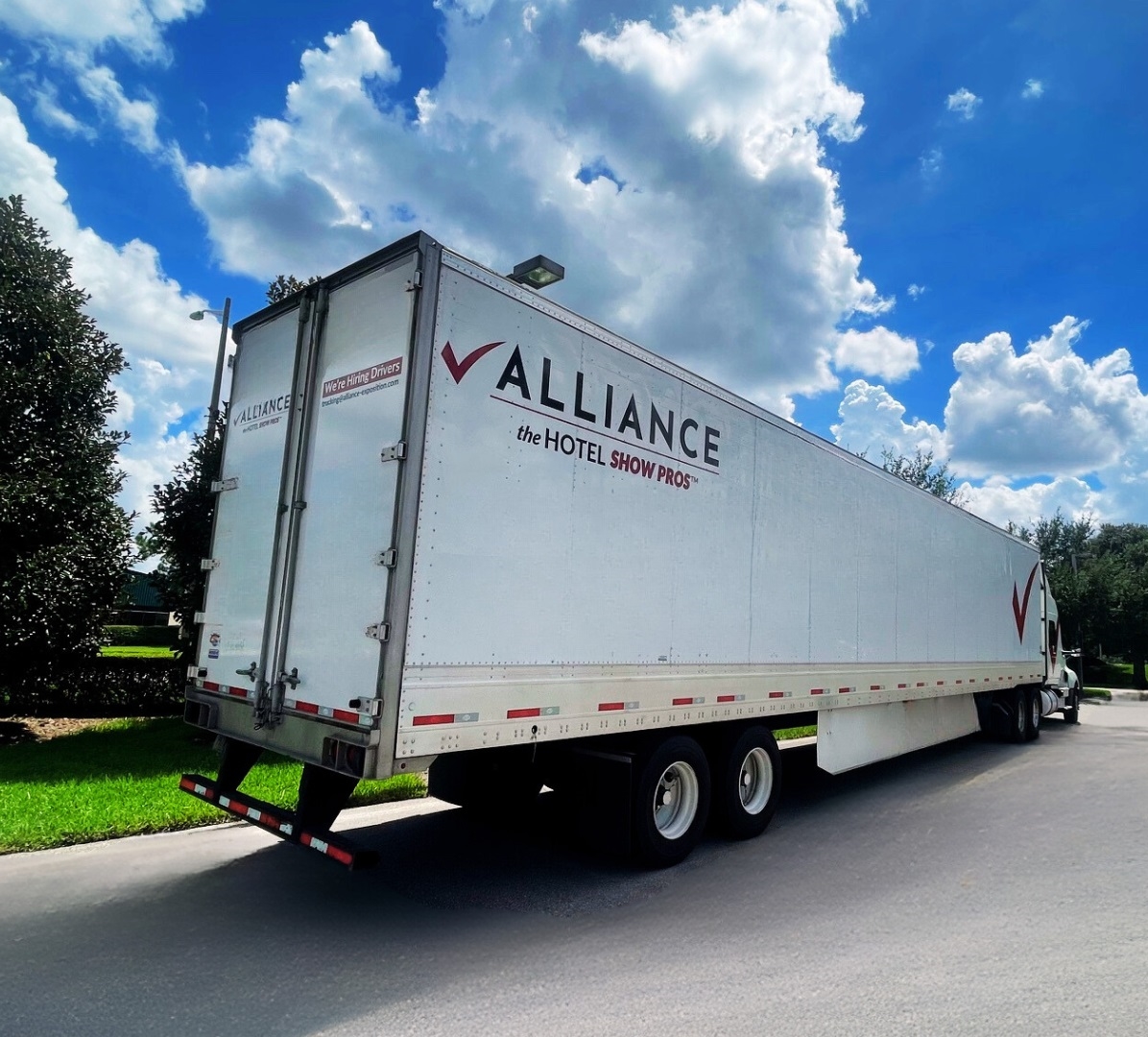
Alliance logistics facility serving truck drivers contractors and visitors

Service Has to Account for Irregular Traffic, Security, and Waiting Time

Drivers, contractors, and visitors do not arrive on the same schedule every day.

A warehouse may be quiet on Tuesday morning and packed with inbound drivers Thursday afternoon. A maintenance shutdown may bring dozens of contractors onto the property for one weekend. Seasonal hiring can increase temporary staffing for several months. A delayed rail shipment or weather event may keep people waiting longer than usual.

This is why a generic once-a-week vending route can struggle at logistics facilities.

The service plan should be built around actual transaction data, delivery patterns, shift schedules, and known periods of heavier activity. BNSF lists the Alliance Intermodal Facility as operating 24 hours a day, seven days a week, which reflects the around-the-clock nature of freight activity in the area.[4] The vending service does not necessarily need a driver on-site at 2 a.m., but the equipment should still have enough capacity to serve people at that hour.

Remote inventory monitoring helps. A provider can see when water, energy drinks, sandwiches, or other high-volume items are getting low and schedule a visit before the machine is empty. Without remote data, the route driver may learn about the shortage several days too late.

The vendor also needs dependable facility access.  Some receiving areas require an appointment, security clearance, safety vest, escorted entry, or restricted delivery window. Vending service should not depend on finding whichever manager happens to be available. The provider and facility manager should agree on access procedures before installation.


At a well-run account, the route driver knows where to park, which entrance to use, who authorizes access, and which areas require personal protective equipment. That sounds basic, but poor access planning is one of the easiest ways for a machine to miss a scheduled restock.

The facility should also report temporary traffic changes. If 60 contractors are arriving for a two-week installation project, tell the vending provider before the first day. If receiving volume will increase during peak season, adjust capacity and service in advance. Waiting until the machines are empty helps nobody.

Texas Vending generally considers locations with at least 50 employees or roughly 50 daily visitors for free vending placement. At an Alliance logistics facility, daily traffic can include employees, drivers, contractors, vendors, temporary workers, and guests. Qualification still depends on access, security, available space, operating hours, and expected usage.

Available setups may include cashless snack and drink machines, smart coolers, fresh food service, office coffee, water service, or a micro market. The right answer may be different in the employee breakroom, driver lounge, and front-office area.

That is the part people often miss. A logistics facility is not one audience gathered in one room. It is several groups moving through separate areas on different schedules.

The vending plan should reflect the building that actually exists, not the simplified version shown on an employee headcount report.

References

  1. Texas Comptroller of Public Accounts, Port of Entry: AllianceTexas, 2024
  2. BNSF Railway, Alliance Intermodal Facility: Celebrating 30 Years of Growth
  3. Federal Motor Carrier Safety Administration, Summary of Hours-of-Service Regulations
  4. BNSF Railway, Facility Listings: Alliance Intermodal Facility
  5. Texas Comptroller of Public Accounts, Alliance Texas Economic Impact Study Announcement

Transform Your Breakroom

Contact Us Now!

(614) 716 - 9068

Check out our blogs!