
Scroll Top

Why Some Micro Markets Fail After Installation

The Real Reason Employees Stop Using Micro Markets

A micro market can look impressive on installation day. The coolers are clean, the snack racks are full, the self-checkout kiosk is working, and the fresh food looks like something employees will actually use. The office manager takes a few photos, the employees walk through it, and everyone seems excited.

Then three months later, the same market feels quiet.

The salad section is barely touched. A few drinks are always sold out. The fresh food selection does not match the people in the building. The kiosk still works, but employees have already formed a new habit of leaving the property for food, drinks, or coffee. Management starts wondering why the micro market did not perform the way everyone expected.

Here is the hard truth from the vending side: most micro markets do not fail because the idea was bad. They fail because the operator treated the install like the finish line.

A micro market is not a one-time setup. It is a living break room program. It needs product changes, restocking rhythm, service response, employee feedback, equipment maintenance, and honest review after the first few weeks. If the provider drops in equipment, stocks the same items every route, and never studies how the location actually behaves, employees will notice. They may not say much, but they stop buying.

Texas Vending looks at micro markets differently because North Texas workplaces are not all the same. A Plano office, Dallas warehouse, Fort Worth manufacturing site, Alliance distribution center, and apartment amenity space do not have the same traffic pattern. A strong workplace vending service has to respect those differences.

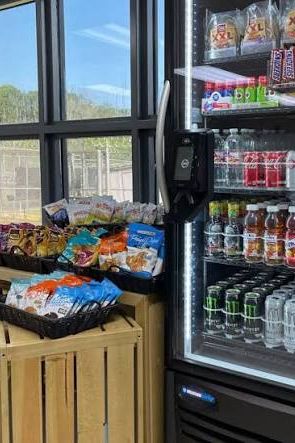
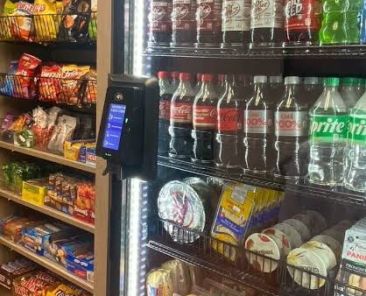
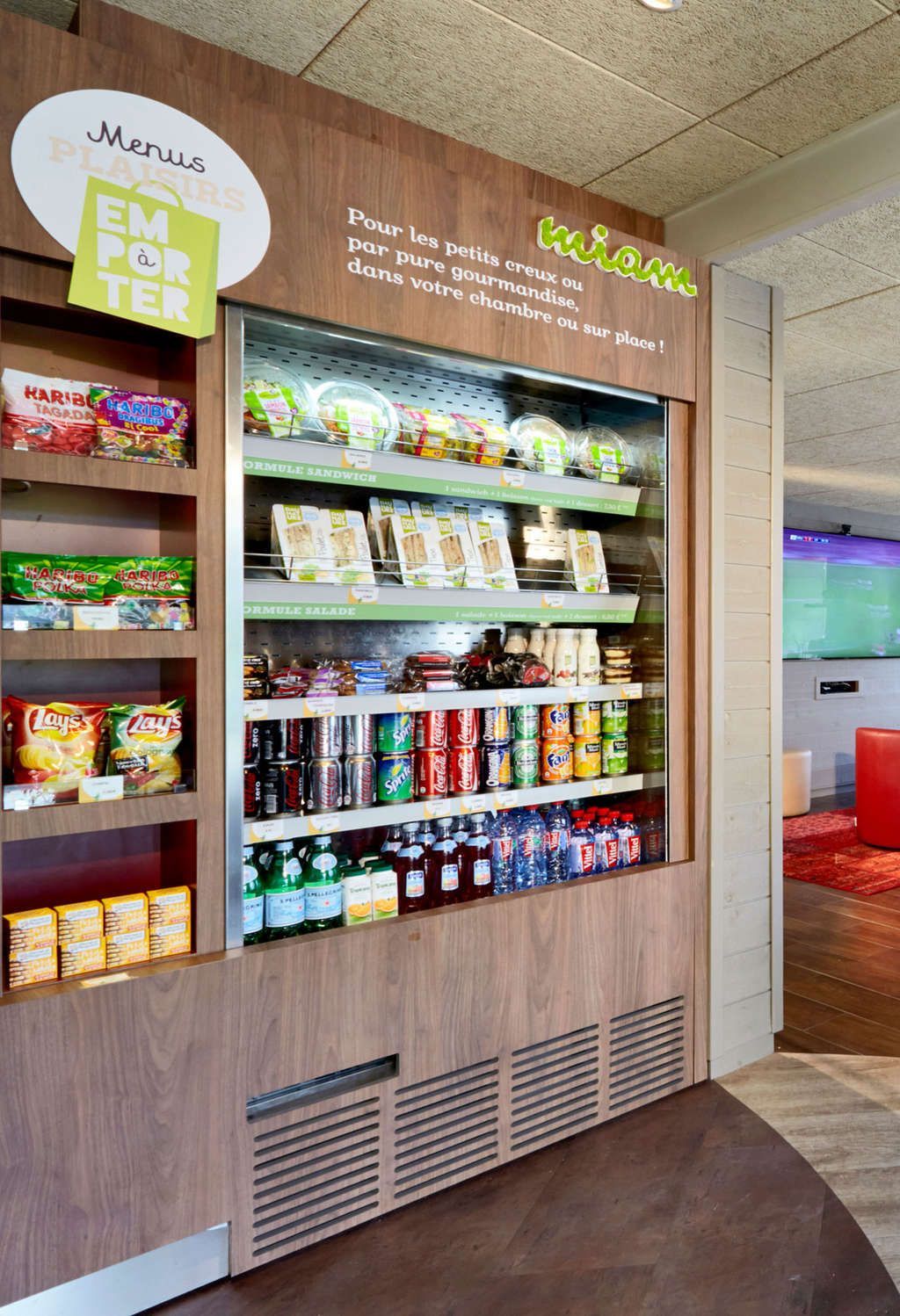
Texas Vending micro market installed inside a McKinney office break room.
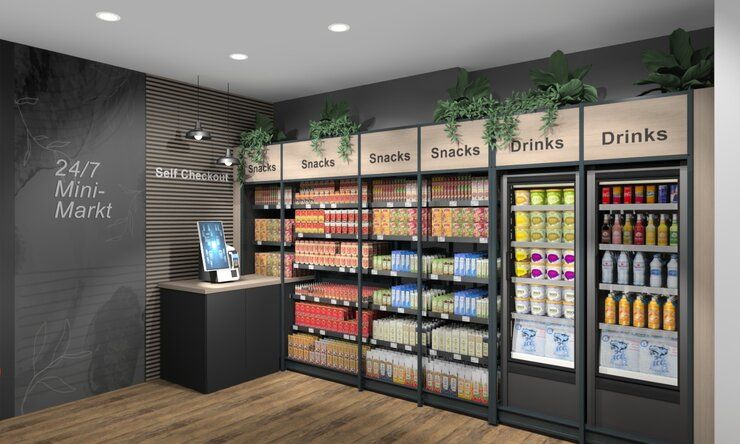
micromarket at an apartment

The First Mistake Is Stocking the Market Like Every Workplace Is the Same

The fastest way to kill a micro market is to fill it with products that look good in a brochure but do not match the people using the space.

A corporate office may want sparkling water, premium coffee drinks, protein bars, fruit cups, salads, wraps, and lighter snacks. A warehouse may need water, energy drinks, larger snacks, breakfast sandwiches, burritos, protein drinks, and filling meals that hold up across long shifts. A call center may buy heavily during short break windows. An apartment community may see more evening and weekend activity.

If the product mix ignores those patterns, employees will try the market once or twice and then go back to their old routine.

This is especially true with fresh food service. Fresh food has to move. If salads, sandwiches, yogurt, or wraps sit too long, employees lose trust fast. Once people think the fresh food is stale, overpriced, or not their style, it is hard to win them back.

 That is why a provider should review sales data early and often. The first product order is only a starting guess.

A real operator should ask what employees already buy outside the building. Do they bring lunch? Do they leave for coffee? Do they work nights? Are there drivers, contractors, or visitors using the same break room? Is the location asking for healthy vending machines fresh food because employees want lighter options, or because management thinks it sounds nice?

Those are different situations.

A good refreshment solution uses actual behavior. If energy drinks sell out every Tuesday afternoon, increase the space. If fresh salads do well in the office but fail in the warehouse, adjust by department or location. If employees keep asking for Vietnamese iced coffee, protein drinks, breakfast tacos, or low-sugar drinks, at least test them. A micro market should not be frozen in the product mix chosen before launch.

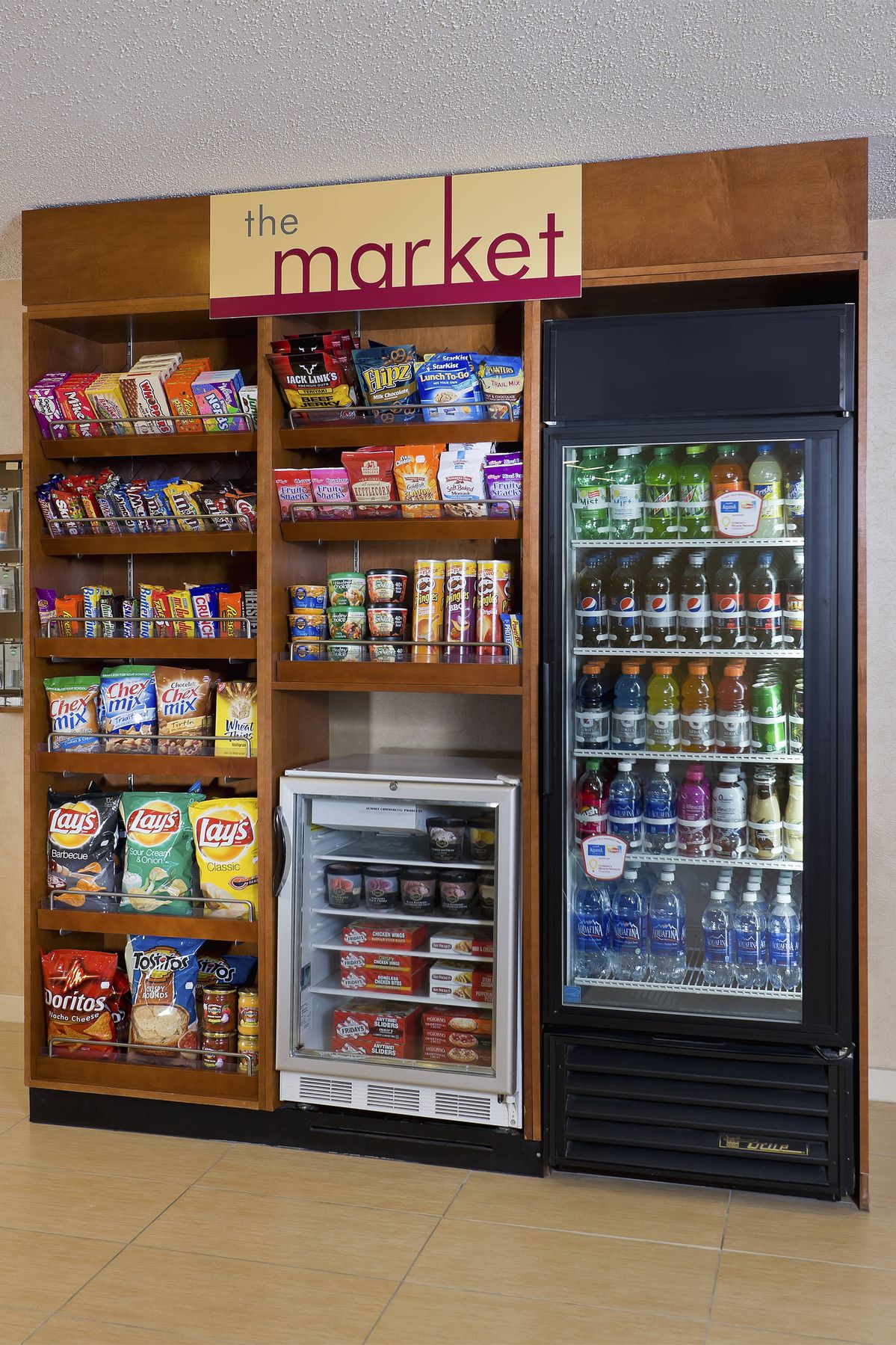
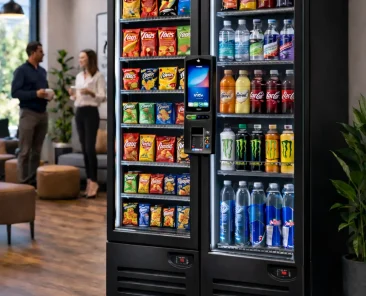
micro market at the lounge
texas vending logo

Ready to Upgrade Your Break Room?

Texas Vending helps DFW offices add coffee, snacks, fresh food, smart coolers, and micro market service without extra work for your staff.

Get a local team, flexible setup, no contract, and fast support for your break room.
The Second Mistake Is Poor Service After the Excitement
Wears Off


Employees can forgive a micro market that is still being adjusted. They will not forgive one that looks abandoned.

Empty rows, dusty shelves, warm drinks, expired food, repeated kiosk issues, and slow response times tell employees the market is not being watched. They may not know who the provider is, but they know the service is slipping.

Experience means knowing that the first month after installation is not passive. Expertise means knowing which products need more space, which need to be removed, and which need a second chance in a different location. Authority means having the equipment, route team, repair process, and inventory system to actually support the account. Trust means employees can buy food and drinks without wondering if the product is old, the cooler is warm, or the checkout will fail.


A micro market should have scheduled restocking, remote sales review, fresh food rotation, cleaning, and a clear service contact.If a cooler goes down, it needs attention. If a kiosk has a payment issue, someone should respond. If a shelf is empty every visit, the par level is wrong. If the same slow item sits there for weeks, the operator is not paying attention.

Texas Vending also supports repair and moving services, which matters more than many companies realize. Offices expand, warehouses move departments, buildings remodel, and break rooms change. A micro market may need to be relocated, adjusted, repaired, or reconfigured. A provider that can install but cannot service, repair, or move equipment creates problems later.

A North Texas company that installs vending machine for free still has to earn the location after the equipment is placed. Free placement may get the machine in the door, but service keeps it there.

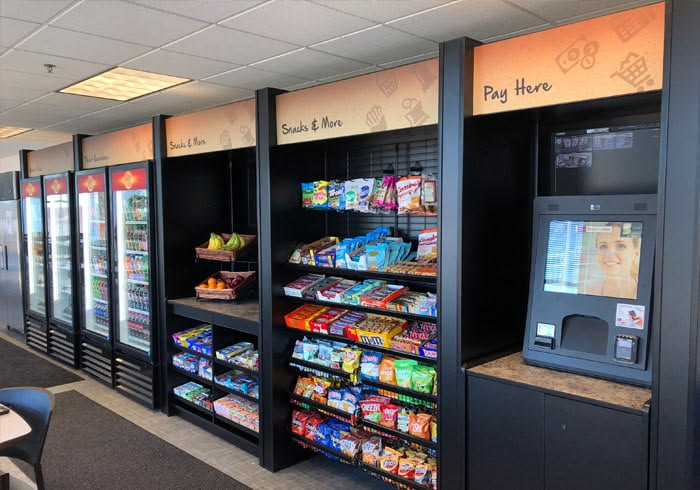
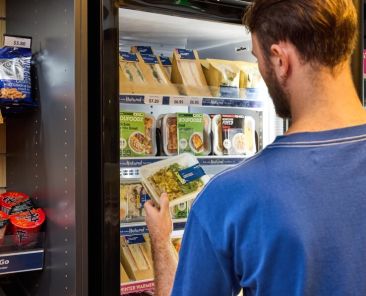
grab and go market Texas Vending

The Third Mistake Is Choosing the Wrong Setup for the Location

Some micro markets fail because the location never needed a full micro market in the first place.

That may sound strange coming from a vending company, but it is true. A small office with 45 employees and light traffic may do better with a cashless snack machine, a drinks machine, and office coffee & tea service. A 70-person office may start with vending and a smart cooler before moving into a mini market. A 200-person warehouse with multiple shifts may need a larger operated cutting-edge technology micro-market service with fresh food, drinks, snacks, and self-checkout.

The setup should follow the site, not the sales pitch.

A micro market needs enough daily use to keep products moving. It needs proper space, electrical access, security, and a restocking plan.  If employees are spread across multiple buildings, one market in the wrong break room may underperform even though the total headcount looks strong.

 If the market is placed far from the busiest work area, people will not walk across the facility every time they want a drink.

The best micro market conversations are honest. How many people are actually on-site each day? What shifts are active? Who has access to the break room? Are there visitors or drivers? Does the company want fresh meals, snacks, drinks, coffee, or all of them? Will the provider adjust after launch?

Texas Vending generally looks for at least 50 employees or around 50 daily visitors for qualified vending or break room solutions. That does not mean every qualified location gets the same layout. It means the site has enough activity to review a proper starting point.

A well-run micro market should feel useful after the first week, not just attractive on installation day. Employees should see products

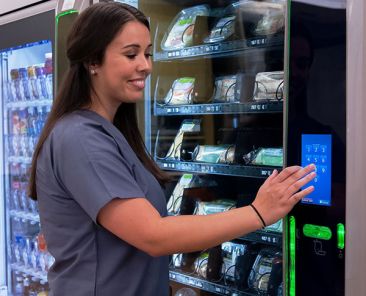
mini market at the pantry

References

  1. Texas DSHS – Self-Service Food Market FAQs
  2. Texas Administrative Code – Section 228.225 Self-Service Food Market
  3. FDA – 2022 Food Code
  4. NAMA Technical Bulletin – Micro Market: A New Innovation in Automatic Merchandising
  5. Texas DSHS – Retail Food Establishment Industry Guidelines & Resources

Transform Your Breakroom

Contact Us Now!

(614) 716 - 9068

Check out our blogs!