
Scroll Top

How DFW Smart Coolers Handle Fresh Food Demand During Heat Waves and Power Outages

A smart cooler can have a touchscreen, remote inventory tracking, cashless checkout, and temperature alerts. None of that changes one basic fact: it is still a refrigerator working through a Texas summer.

Right now, North Texas is in a stretch of afternoon temperatures ranging from the mid-90s to around 100 degrees, with heat index readings expected to approach or exceed 105 degrees. June 2026 was also about two degrees warmer than average in Dallas-Fort Worth. That heat is already changing what employees, drivers, and contractors reach for first.

Water disappears faster. Electrolyte drinks that normally last several days can sell through in one afternoon. Bottled coffee, protein drinks, fruit cups, wraps, and other cold items also move differently when people have been working around loading docks, warehouses, parking lots, or manufacturing floors.

This is not a theoretical summer-planning issue. It is happening now across Texas.

A DFW smart cooler may look fully stocked at 8 a.m. and picked over by the afternoon shift. The screen may still show available inventory, but if the water, electrolyte drinks, and best-selling cold meals are gone, employees will see an empty cooler for all practical purposes.

That is why I do not judge smart cooler performance by how many products are left inside. I judge it by whether the products people actually need are available during the hottest part of the day.

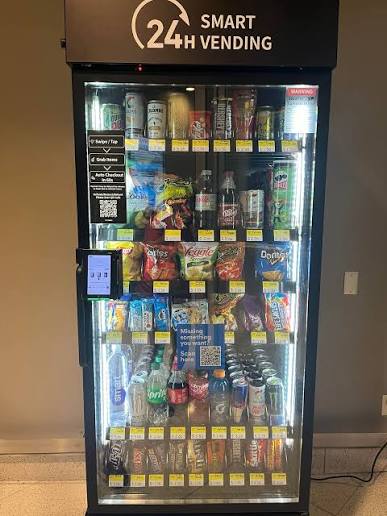
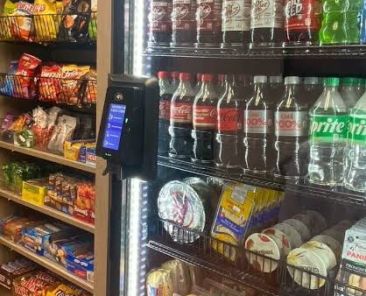
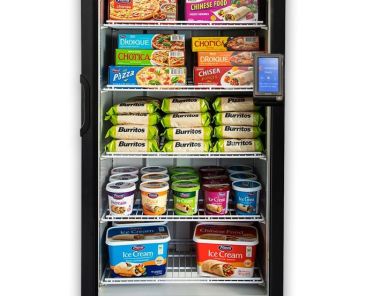
stocked smart cooler vending
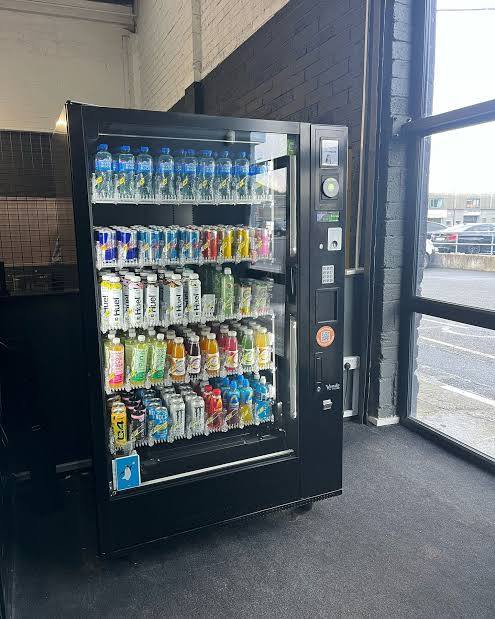
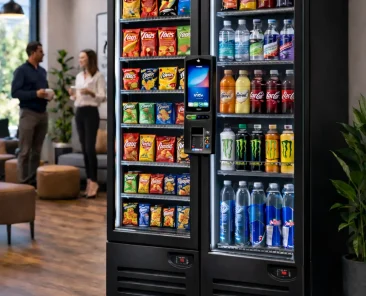
cashless vending by the office window

Heat Waves Change What People Buy and How Often the Cooler Needs Service

A common DFW setup looks like this: a distribution center near DFW Airport has 140 employees working across two shifts. The breakroom has one smart cooler stocked with salads, wraps, sandwiches, breakfast items, yogurt, protein drinks, water, tea, and energy drinks.

During an ordinary spring week, the product mix works well. Water sells steadily, fresh meals move around lunch, and the cooler receives service twice a week.

Then the afternoon temperature stays near 100 degrees for several days.

The water shelves are nearly empty before second shift. Electrolyte drinks sell twice as quickly as expected. Employees who normally bring lunch buy cold wraps and fruit because they do not want a heavy meal. Delivery drivers and contractors also use the cooler while waiting on-site.

By Wednesday night, the cooler is not technically empty, but the products people actually want are gone.

This is a service failure, even if plenty of yogurt and two unpopular drink flavors are still sitting inside.

During prolonged heat, a smart cooler provider should watch sales by item and time of day. A weekly sales total will not show that water sells out at 3:30 every afternoon or that second shift never sees the best-selling drinks.


The operator may need to increase water and electrolyte capacity, reduce slower products, add a temporary service visit, or place cases of approved backup beverages in a separate refrigerated unit. The answer depends on the building, but doing nothing and waiting for the normal route day is not a serious plan.

The physical placement of the cooler matters too. I would not place a fresh food smart fridge beside a loading door that opens constantly or against a wall with poor ventilation. Warm air, direct sunlight, blocked airflow, and frequent door openings can make temperature recovery harder.

That does not mean the cooler cannot work in a warehouse. It means the site survey needs to be honest about the environment.

DFW heat is not unusual enough to treat as a surprise. The National Weather Service describes the region as having hot summers, and its historical records include several summers with very high average maximum temperatures. Heat-season demand should be part of the vending plan specially this July.

A good operator begins adjusting before the shelves are repeatedly empty. Increase cold drinks, review fresh food quantities, watch temperature recovery, and ask the facility manager about overtime or seasonal staffing. Those small details tell us far more than the machine’s total capacity.

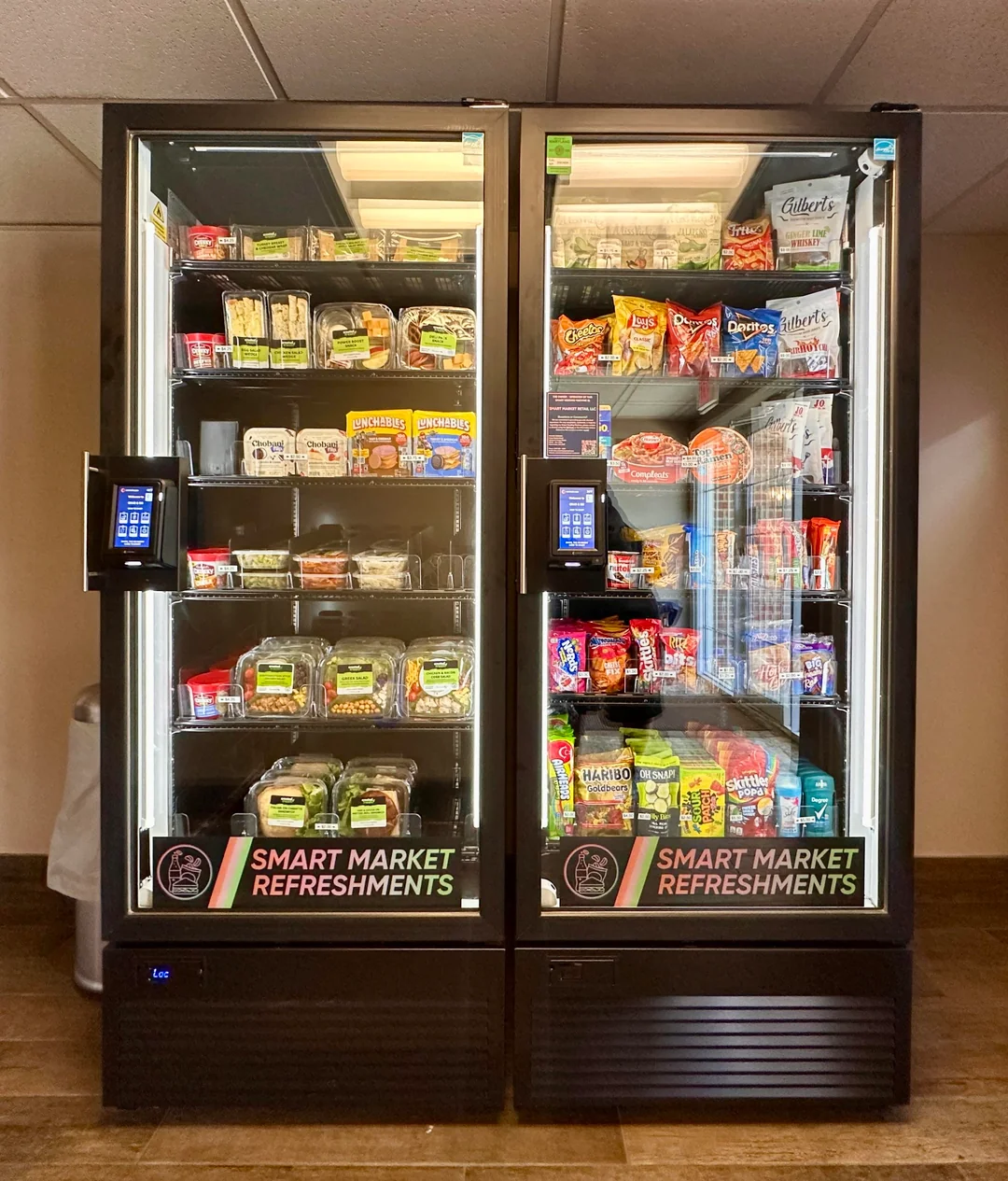
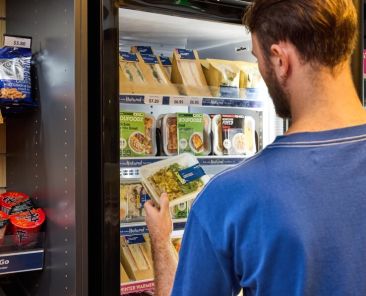
free smart cooler placement, Texas Vending
texas vending logo

Ready to Upgrade Your Break Room?

Texas Vending helps DFW offices add coffee, snacks, fresh food, smart coolers, and micro market service without extra work for your staff.

Get a local team, flexible setup, no contract, and fast support for your break room.
The Current Texas Heat Is Changing What Sells
and When It Sells

Consider a DFW distribution center with 140 employees working across two shifts. The breakroom has one smart cooler stocked with salads, wraps, sandwiches, breakfast items, yogurt, protein drinks, bottled water, tea, and energy drinks.

During a normal spring week, service twice a week may be enough. Water sells steadily, fresh meals move around lunch, and the cooler maintains a fairly predictable pattern.

The current Texas heat changes that pattern.

By early afternoon, employees coming in from the warehouse floor are buying water two or three bottles at a time. Drivers waiting near the receiving area are reaching for electrolyte drinks. Contractors working outside are buying cold drinks before they leave the property. Employees who normally bring lunch may choose a cold wrap, fruit cup, or protein drink because a heavy meal does not sound appealing after working in the heat.

By Wednesday evening, the cooler may still contain yogurt, salads, and a few slower drink flavors.

 Technically, it has inventory. In reality, the second shift has already lost access to the items with the highest demand.

That is a service problem.

During a hot stretch like the one Texas is experiencing now, a vending operator should be reviewing sales every day, not waiting until the normal route visit. Water, electrolyte drinks, cold coffee, protein items, and fresh meals may need more shelf space. Slower products may need to be reduced temporarily. An additional service stop may be necessary before the next shift arrives.

Cooler placement matters as well. A fresh food smart fridge should not sit beside a loading door that opens constantly, in direct afternoon sunlight, or against a wall that restricts ventilation. The refrigeration system is already working harder during extreme heat. Poor placement only adds another problem.

Texas heat should never catch a local vending company by surprise. We know July will be hot. The real test is whether the inventory and service schedule change before employees start finding empty water shelves.

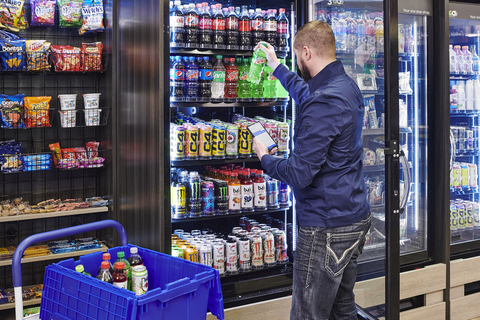
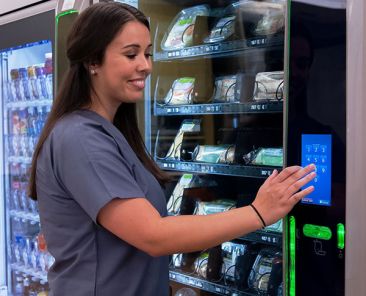
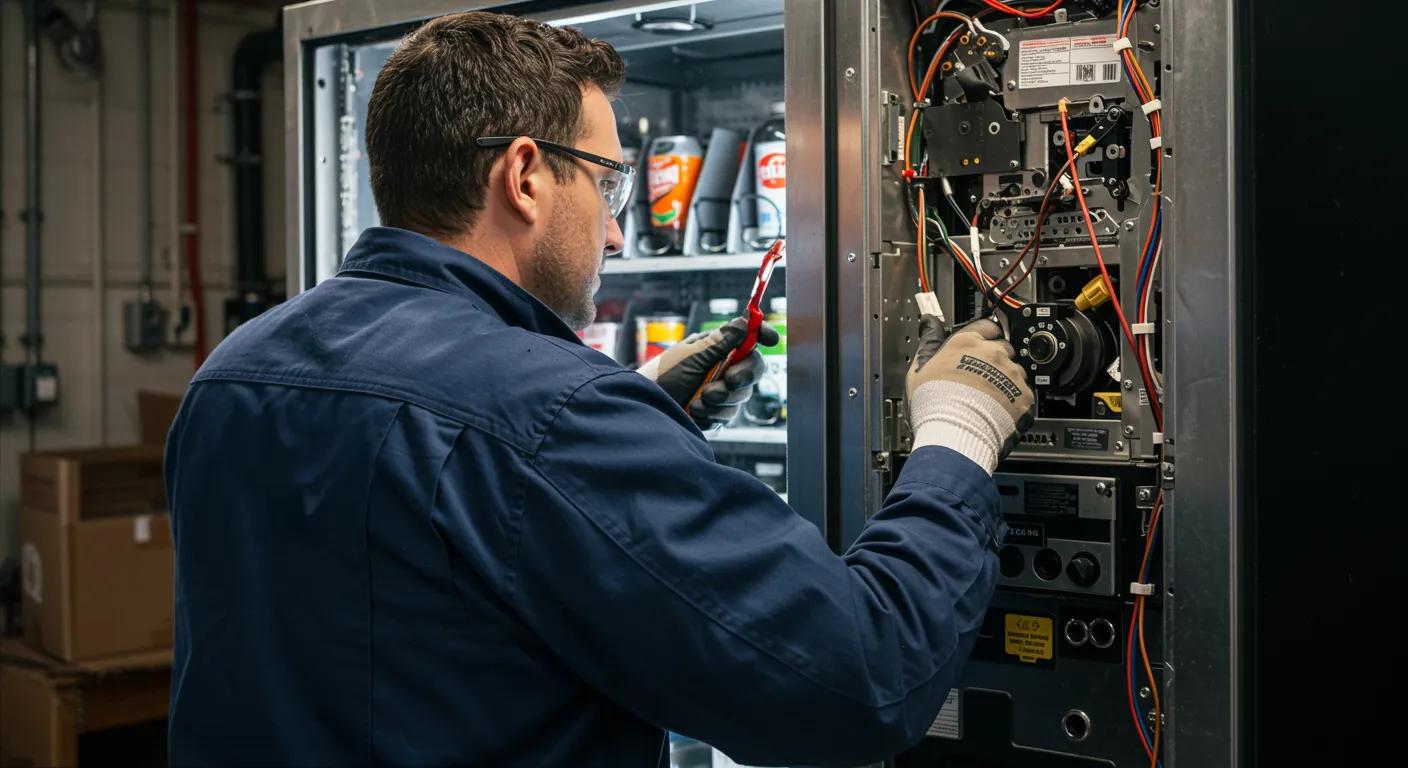
DFW smart fridge temperature inspection after a workplace power outage

What Facilities Should Expect From a Smart Cooler Provider

A smart cooler service plan should answer uncomfortable questions, not avoid them.

What happens when the temperature rises overnight? Who receives the alert? Can fresh food sales be paused? How quickly can someone reach the location? Who decides whether products are safe? Who pays for discarded inventory? Is the cooler connected to generator power? How is the unit handled if the building closes during severe weather?

Those details belong in the operating plan.

For a qualified DFW location with at least 50 employees or approximately 50 daily visitors, Texas Vending may provide free smart cooler placement with cashless payment, fresh food, drinks, inventory monitoring, restocking, cleaning, and maintenance. Qualification also depends on access, security, available power, expected usage, and the building schedule.

During the first few weeks, the operator should learn the site’s normal demand before adjusting for extreme weather. A warehouse working ten-hour shifts will use a cooler differently from a corporate office with hybrid attendance. An apartment resident lounge may see its heaviest demand at night and on weekends. A manufacturing plant may add overtime during the same week that temperatures climb.

Heat-wave planning may require more water, electrolyte drinks, cold coffee, protein items, and fresh meals.


It may also require more frequent service. Power-outage planning requires temperature records, clear communication, and the authority to remove products quickly.

Remote monitoring helps with both. It can show sales spikes, declining inventory, lost connectivity, and temperature changes. ERCOT provides real-time and forecast information about electricity supply and demand across the Texas grid, but individual building outages can still result from storms, damaged equipment, or local distribution problems.[5]

That distinction matters. A building can lose power even when the wider grid is operating normally.

The best smart cooler in DFW will still disappoint employees if it is empty during the hottest week of the year. It will create a larger problem if questionable food remains available after an outage.

Good smart cooler service is not about pretending weather does not affect the machine. It is about seeing the impact early, changing the inventory, protecting the food, and communicating clearly with the facility.

That is the standard I would expect at any DFW office, warehouse, apartment community, manufacturing plant, or commercial property offering fresh food through a smart fridge.

References

  1. National Weather Service Fort Worth, Dallas/Fort Worth Climate Narrative.
  2. National Weather Service Fort Worth, Dallas/Fort Worth Seasonal Temperature Records.
  3. U.S. Food and Drug Administration, Food and Water Safety During Power Outages and Floods.
  4. Oncor, Power Outage Safety Checklist.
  5. Electric Reliability Council of Texas, Supply and Demand Dashboard.

Transform Your Breakroom

Contact Us Now!

(614) 716 - 9068

Check out our blogs!