
Scroll Top

How Shift Changes Affect Vending Demand at Alliance Warehouses and Distribution Centers

A warehouse vending program can look successful at 10 a.m. and completely neglected by 10 p.m.

That happens more often than people think. The first shift gets a full machine, the widest product selection, and freshly stocked coolers. Second shift arrives to fewer choices. By the time the overnight crew takes its break, the popular drinks and filling snacks may already be gone.

Alliance warehouses and distribution centers do not operate like regular offices. Many facilities move freight, receive deliveries, process orders, and rotate employees through the building beyond the standard Monday-through-Friday schedule. AllianceTexas includes industrial, distribution, office, retail, aviation, and intermodal operations, with more than 600 corporate residents and over 73,000 jobs created across the development.[1]

A vending provider servicing this area cannot treat every location like a quiet office with one lunch period. Shift timing changes what sells, when it sells, and how often a location needs service.

Demand Does Not Stay Even Throughout the Day

Here is a common Alliance warehouse scenario.

A distribution center has roughly 180 employees divided between three shifts. The vending provider arrives Tuesday morning, fills the drink machine, stocks the snack machine, and loads a smart cooler with sandwiches, wraps, salads, yogurt, and breakfast items.

The machines look great when the first shift takes a break.

By late afternoon, the most popular energy drinks are low. Protein bars and larger chip bags are nearly gone. Second shift still has options, but not the same options. The overnight crew gets whatever is left.

Management may look at the weekly sales report and see strong vending performance. Night-shift employees see an empty row where the cold coffee should be.

That gap matters because the busiest sales period is often tied to shift arrival, first break, meal break, and shift change. Employees coming into the building may buy coffee, energy drinks, water, or breakfast. Mid-shift demand often moves toward filling snacks and fresh meals. Employees nearing the end of a long shift may reach for another drink or something small before the drive home.

Demand can also spike during the overlap between crews. One shift is taking its final break while the next group is arriving. A machine that normally serves 60 people may suddenly face 100 potential customers within a short window.

That is why average daily headcount does not tell the whole story. A provider needs the actual shift schedule.

I would rather know that 80 employees take lunch between 7:00 and 7:30 p.m. than hear that a site has 200 employees. The first number tells me when the machine could get hit hard. The second number only tells me the building is busy.

Alliance is built around freight and distribution activity. The BNSF Alliance Intermodal Facility has operated in the area for more than 30 years, and AllianceTexas trade activity exceeded $834 million in 2024.[2][3] Warehouses connected to that kind of logistics network may see demand change with shipping deadlines, seasonal volume, overtime, weekend work, and temporary labor.

A vending plan that ignores those swings will always feel one step behind.

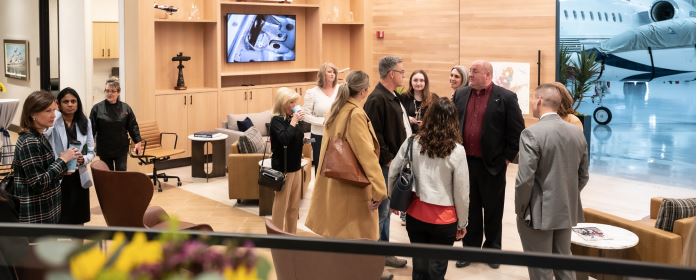
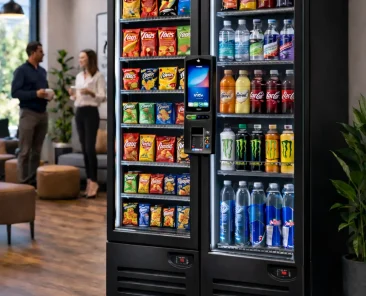
employees entering a breakroom during a shift change, with cashless vending machines visible nearby.
texas vending logo

Ready to Upgrade Your Break Room?

Texas Vending helps North Texas offices add coffee, snacks, fresh food, smart coolers, and micro market service without extra work for your staff.

Get a local team, flexible setup, no long-term contract, and fast support for your break room.

Each Shift Buys Differently
and the Product Mix Should Show It

One mistake I see is stocking every shift as though the same customer is walking into the breakroom all day.

That is rarely true.

An early-morning crew may buy bottled coffee, breakfast sandwiches, pastries, water, and energy drinks. The afternoon shift may lean more toward cold drinks, chips, protein snacks, and lunch items. Overnight employees often have fewer nearby food choices, so sandwiches, wraps, bowls, frozen meals, and other filling products may matter more.

None of this should be guessed forever. The first product mix is a starting point. Sales data should tell the provider what to change.

Suppose an Alliance warehouse adds a smart cooler beside its snack and drink machines. During the first two weeks, salads receive plenty of attention during the day but barely move overnight. Sandwiches, protein drinks, breakfast burritos, and bottled coffee sell heavily between 9 p.m. and 4 a.m.

The wrong response is to keep filling every shelf the same way because that was the original plan. The right response is to give overnight demand more space.

A vending provider should review which items sell by machine, day, and time. If the cooler regularly runs out of sandwiches before midnight, increase the sandwich facings or add another delivery. If one energy drink flavor disappears during every second-shift change, give it a larger row. If fresh items sit too long, reduce the quantity instead of letting waste build.

Cashless vending equipment makes this easier because transaction and inventory data can be reviewed remotely. The route driver should not be discovering every shortage for the first time after arriving at the building.

Shift work also affects how people use breaks. NIOSH notes that night shifts and extended hours can contribute to fatigue and disrupt normal sleep patterns.[4] A vending machine does not solve fatigue, but it can provide access to water, food, and drinks when nearby restaurants are closed or when employees cannot leave the property during a short break.

That access needs to be fair across shifts.

The overnight crew should not feel like an afterthought. If a company operates around the clock, its breakroom service should also be planned around the clock, even if the route driver does not physically visit at midnight.

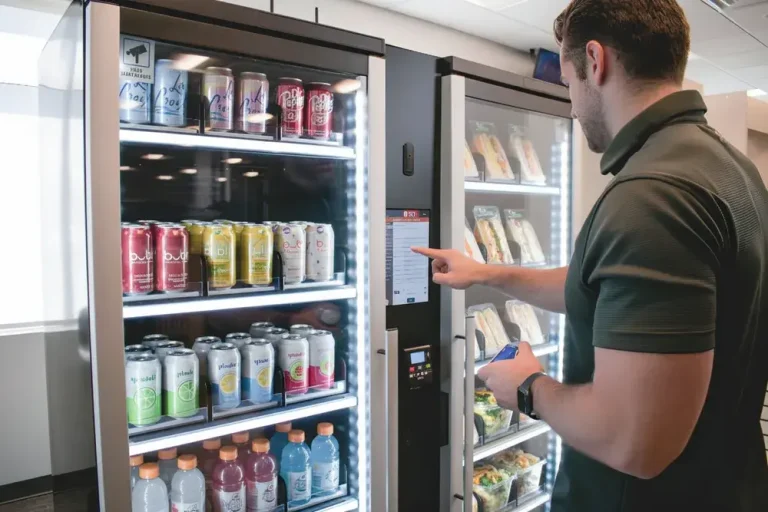
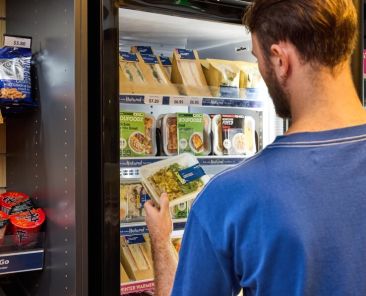
fresh sandwich from a smart cooler for Alliance distribution center night-shift employees

Restocking Should Follow Shift Pressure
- Not a Generic Weekly Route

The service schedule is where a good warehouse vending program either holds together or starts falling apart.

A fixed weekly visit may work for a small office. It is often not enough for an active distribution center with multiple shifts.

That does not mean every Alliance warehouse automatically needs daily service. It means service frequency should come from sales, headcount, shift concentration, storage capacity, and product shelf life.

In the 180-employee example, Tuesday morning service was not covering the whole operation. The provider could improve the program in several ways. One option would be adding a Friday visit before weekend demand. Another would be moving the main delivery to the afternoon so second and overnight shifts receive a fuller selection. A third option would be increasing the capacity of the highest-selling products while using remote inventory data to trigger an extra stop.

The best answer may be a combination.

New locations usually need closer attention during the first few weeks. That is when the provider learns which break periods create the largest rush, which products disappear first, and whether the equipment has enough capacity.

At Texas Vending, qualified locations generally need at least 50 employees or approximately 50 daily traffic, from workers and visitors. A large Alliance warehouse may qualify for cashless snack and drink machines, smart coolers, fresh food service, or a micro market. The final setup should depend on how the facility runs, not just the square footage of the breakroom.

Facilities managers should share shift schedules before installation and update the provider when staffing changes. Seasonal hiring, mandatory overtime, a new weekend crew, or an added production line can change vending demand quickly.

The vendor should also provide an easy way for employees to report product requests, empty selections, payment concerns, and equipment problems. Managers should not have to collect every complaint and forward it manually.

AllianceTexas continues to add logistics infrastructure, including the Alliance Logistics District announced by Hillwood, BNSF Railway, and the City of Fort Worth in 2025.[5] As the area grows, warehouse breakrooms will serve increasingly varied workforces, including full-time employees, contractors, drivers, temporary staff, and visiting teams.

That mix makes shift-aware service even more important.

A warehouse does not have one vending customer. It has several groups using the same equipment at different times for different reasons. The service plan should respect that.

Fill the machines before the real rush, not after it. Track what each shift buys. Give night employees actual meal choices. Increase service when staffing rises. Those are small operating decisions, but they are what separate a well-run Alliance warehouse vending service from a machine that simply happens to be standing in the breakroom.

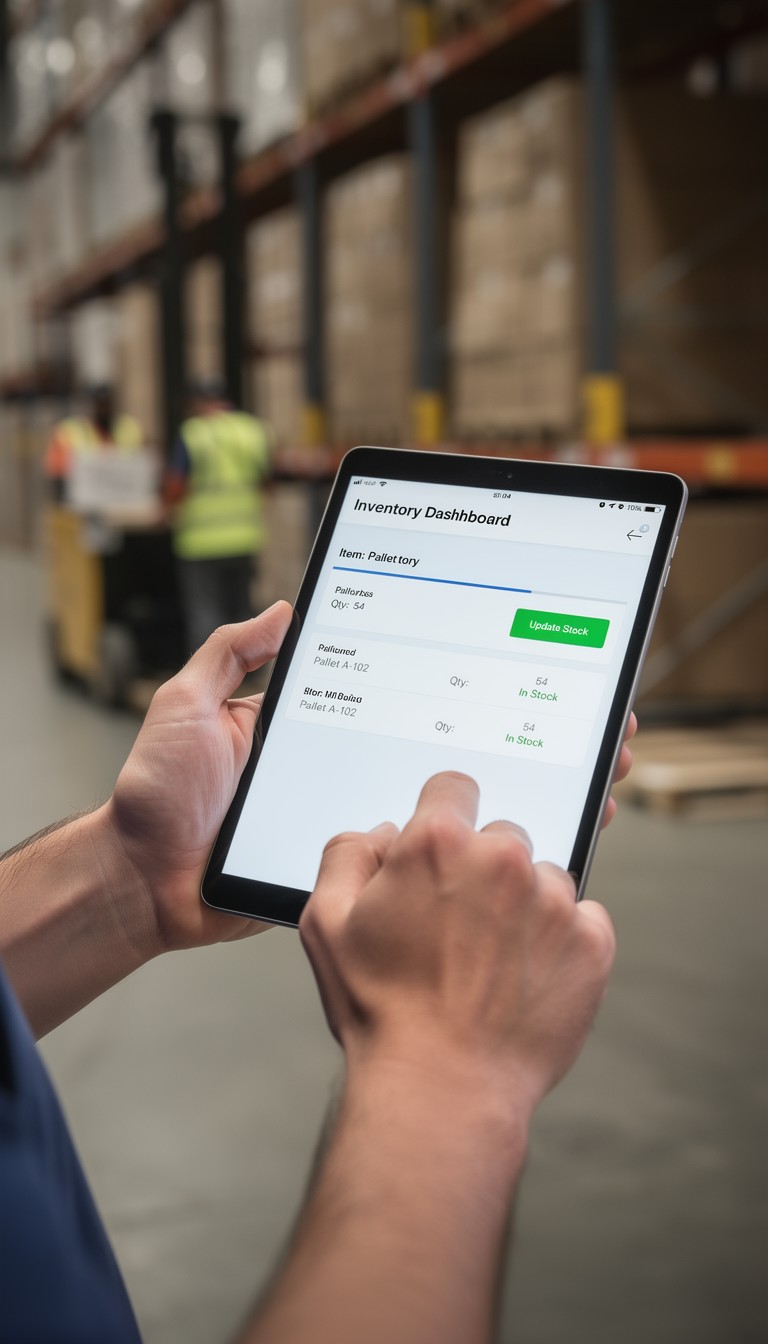
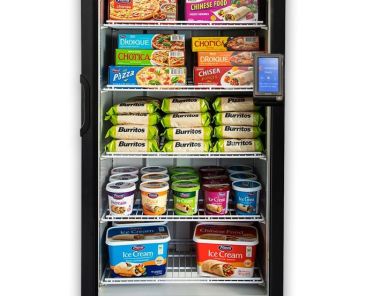
Alliance warehouse vending service restocking based on shift demand

References

  1. AllianceTexas, AllianceTexas Commercial Real Estate and Business Community.
  2. BNSF Railway, Alliance Intermodal Facility: Celebrating 30 Years of Growth.
  3. Texas Comptroller of Public Accounts, Port of Entry: AllianceTexas, 2024.
  4. National Institute for Occupational Safety and Health, Working Hours and Fatigue.
  5. Hillwood, BNSF Railway and City of Fort Worth, Alliance Logistics District Announcement.

Transform Your Breakroom

Contact Us Now!

(614) 716 - 9068

Check out our blogs!