
Scroll Top

What Should You Expect in the First 30 Days With a New Vending Provider?

Changing vending companies does not end when the old machines leave and the new equipment arrives.

The first 30 days are when the new provider learns how the account actually operates.

Texas Vending starts with employee count, shift schedules, operating hours, requested products, break-room locations, and any information available from the previous service. That creates the initial setup, but actual sales begin producing better information almost immediately after installation.

A company with 150 employees does not automatically need the same inventory as another company with 150 employees. One location may sell energy drinks heavily during second shift. Another may use more bottled water and zero-sugar beverages. A medical office may produce stronger demand for coffee and lighter meals, while a warehouse may move sandwiches, breakfast items, sports drinks, and larger bottled beverages faster.

The first month should therefore involve active account management.

A new vending provider should be watching what sells, identifying shortages, changing quantities, listening to employee requests, correcting equipment problems, and determining the right service schedule. The customer should see the program becoming more accurate each week instead of receiving the same initial product load indefinitely.

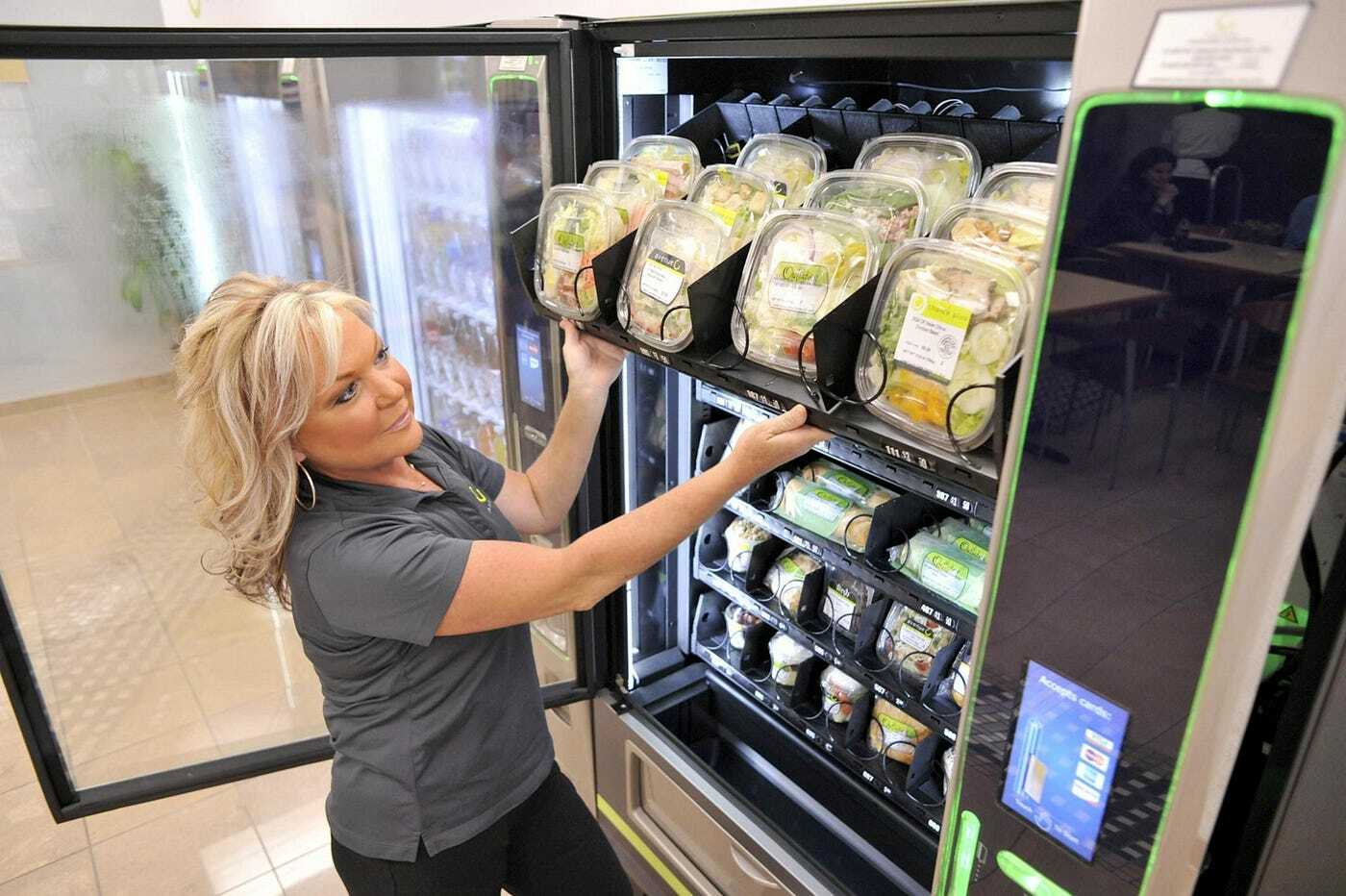
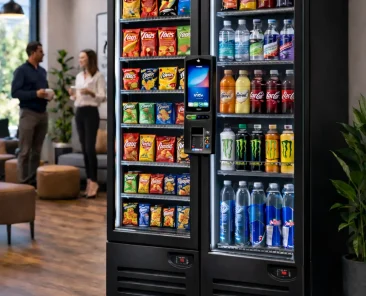
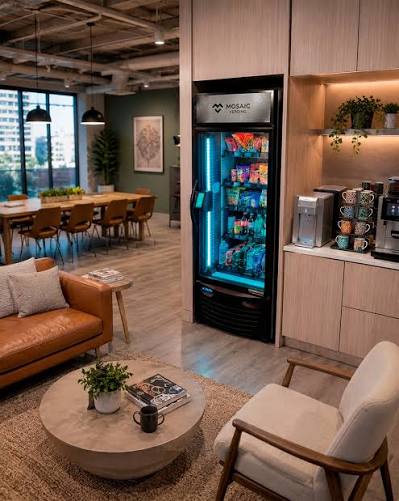
New vending provider managing a fully stocked North Texas workplace break room.
First week setup with a new workplace vending provider.

Days 1–10 Establish the Actual Buying Pattern

Installation Is the Starting Inventory Plan

The first product load is based on the best information available before launch.

Texas Vending reviews the number of employees, daily foot traffic, shifts, existing product requests, break times, equipment capacity, and type of workplace before deciding what goes into each machine, smart cooler, or micro market.

That initial assortment should contain familiar products with enough variety to measure demand properly. Loading dozens of unusual products during the first week creates unnecessary inventory risk and provides weaker sales information.

Traditional vending usually begins with proven beverage and snack categories. Smart coolers and micro markets require tighter control because refrigerated meals have shorter selling windows. Fresh sandwiches, wraps, salads, yogurt, breakfast items, protein boxes, and other refrigerated products need quantities that match actual turnover.

The first week begins producing that information.

Connected vending equipment can report sales and machine activity remotely. Cantaloupe’s telemetry systems, for example, transmit machine sales and health information through cellular connectivity, allowing operators to review performance without waiting for the next physical visit.

This does not eliminate route-driver inspections. It gives the service team information before arriving.

A product selling significantly faster than expected needs additional capacity. A product receiving little attention should lose space. Empty selections should not remain empty simply because the original route schedule says the location will be serviced three days later.

Texas Vending normally gives a new account additional attention during launch so the initial assumptions can be corrected quickly.

Employees Start Showing What They Actually Want

Employee requests become more useful when compared with purchasing data.

People frequently request healthier products, protein snacks, specific energy drinks, sparkling water, cold coffee, breakfast foods, or certain brands. Some requests become strong sellers. Others receive very little purchasing activity after being added.

Both pieces of information count.

A workplace vending service should listen to employees without turning every individual request into a permanent selection. Shelf space is limited, especially inside traditional vending equipment. Strong products deserve enough capacity to remain available.

The same principle applies to fresh food.

A new micro market may begin with several sandwich, salad, wrap, breakfast, and snack choices. Sales during the first ten days begin showing which categories deserve more space before larger fresh-food orders are established.

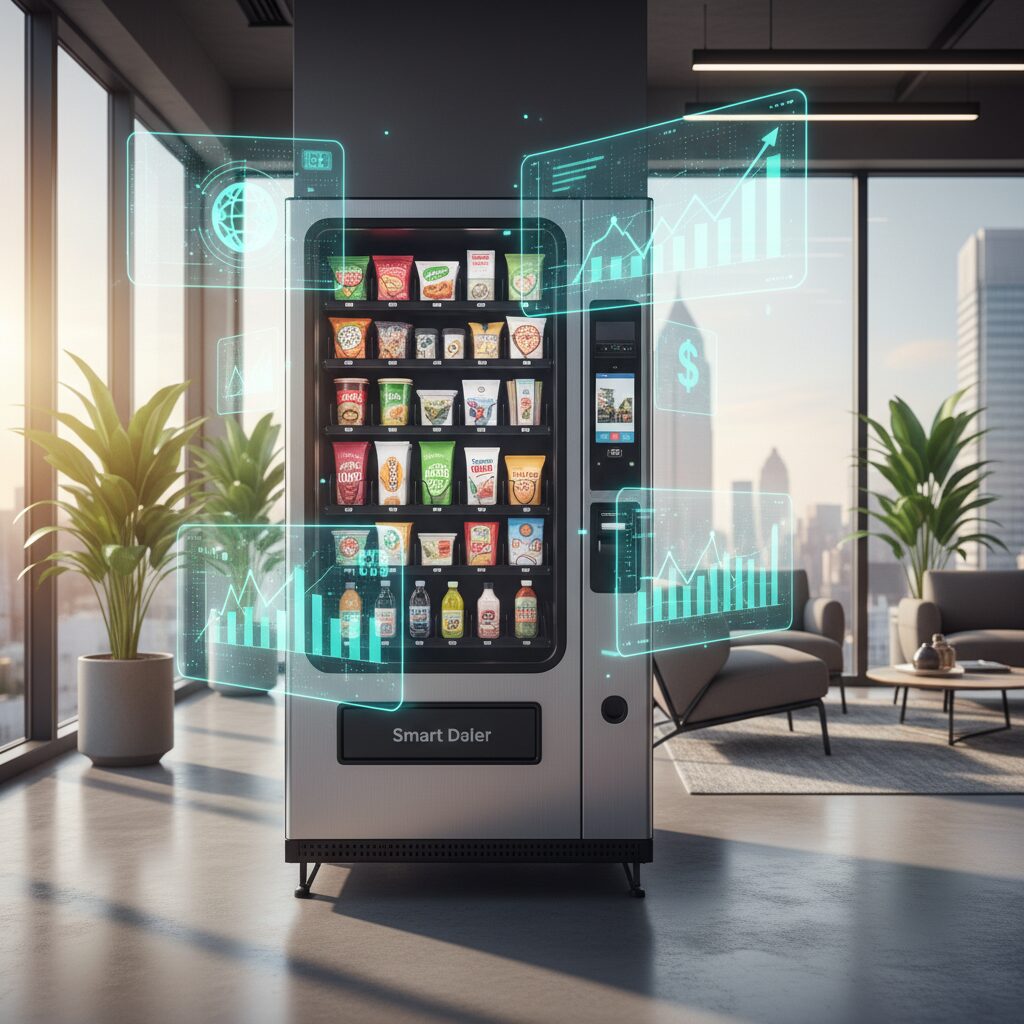
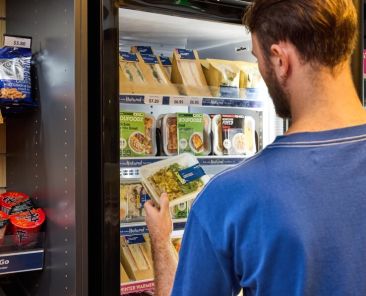
Remote vending inventory monitoring during the first 30 days of service.
texas vending logo

Ready to Upgrade Your Break Room?

Texas Vending helps DFW companies add coffee, snacks, fresh food, smart coolers, and micro market service without extra work for your staff.

Get a local team, flexible setup, no contract, and fast support for your break room.
Days 11–20 Should Produce Visible Stocking and Service Adjustments

Restocking Frequency Should Follow Sales

By the second and third weeks, a provider has enough transaction history to begin improving the service pattern. 

Restocking should not depend only on a fixed calendar.  Modern vending management platforms use inventory and sales information to help operators determine which locations need service and what products need to go on the truck. Cantaloupe’s Seed Pro, for example, supports inventory management, machine-level pre-kitting, par-level adjustments, and different scheduling methods based on account needs.

That data provides answers to practical operating questions.  

  • Which products repeatedly approach empty?
  • Which selections stay nearly full?
  • Does the morning shift account for most purchases?
  • Does demand increase during shift change?
  • Does Friday perform differently from Tuesday?
  • How quickly is refrigerated food turning?
  • Is one machine receiving much stronger traffic than another?
  • The answers determine how the account should change.

Texas Vending may increase quantities, change a planogram, modify the route schedule, replace weak products, or increase service frequency. A large warehouse operating three shifts also needs inventory available for employees who arrive after the route driver has left.

A service plan that looks full every morning but reaches empty by night shift is not properly stocked.

Fresh Food Requires Tighter Control

A fresh food service needs close attention during these first weeks because overstocking and understocking create different problems.

Understocking loses sales.

Overstocking increases expiration and waste.

Texas DSHS guidance for self-service food markets describes route-driver responsibilities that include checking equipment, cleaning, verifying product dates, removing products that will expire before the next service, and stocking refrigerated and shelf inventory. Texas also requires appropriate controls for refrigerated time-and-temperature-sensitive food.

That creates a narrower operating margin than chips and packaged candy.

Inventory information helps Texas Vending establish stronger quantities during the first month rather than continuously sending the same amount of refrigerated food regardless of sales.

The same review applies to office coffee & tea service. If cups, creamers, sweeteners, coffee, or tea disappear faster than expected, replenishment quantities need to increase before those shortages become routine employee complaints.

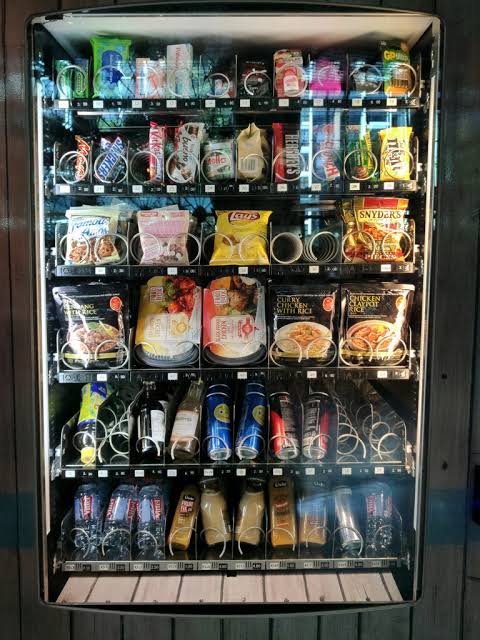
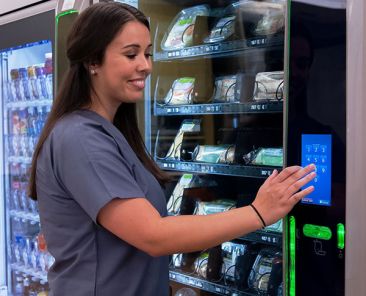
Workplace micro market adjusted according to employee purchasing data.

Days 21–30 Should Show Whether the Provider Is Managing the Account

The Break Room Should Require Less Attention From Your Staff

By the final part of the first month, the customer should start seeing a pattern.  Popular products remain available more consistently. Weak products begin disappearing from the assortment. Restocking better reflects actual consumption. Employee requests have a clear contact point. Fresh-food quantities become more accurate. Coffee supplies better reflect usage.

Equipment problems also show how the provider operates after installation.  A card reader, refrigeration system, display, controller, smart-cooler lock, or kiosk will eventually need service. The important question is what happens after the problem is reported.

Texas Vending provides a 24-hour response time for reported service issues within its North Texas service area. The facility manager should not become responsible for troubleshooting vending equipment or repeatedly chasing the provider for updates.

The same accountability applies to refunds and payment issues.

Thirty days also provides enough time to identify placement problems. Equipment may have been installed in a location that looked good during the original walkthrough but receives less employee traffic than expected. A growing department may use a different break area. One machine may need to move closer to second-shift employees.

Texas Vending handles vending machine and smart-cooler moving when equipment needs to be repositioned.

The Account Should Have a Clear Operating Baseline

After 30 days, the vending provider should understand the account significantly better than it did on installation day.

The company should have usable information on product velocity, service frequency, high-demand periods, employee requests, fresh-food turnover, equipment performance, and the strongest selling categories.

That information becomes the operating baseline for the following months.

Qualified locations working with Texas Vending may receive equipment with $0 installation cost and No long-term contract. Those offers remove two common barriers to changing providers, but the real test comes after installation.

A new provider should not spend the first month proving how attractive its machines look.

It should prove that the account is being managed.

By day 30, the customer should spend less time reporting empty selections, chasing repair requests, ordering coffee supplies, handling refunds, or explaining the same employee complaints repeatedly.

That is what the first month with a new vending provider should accomplish.

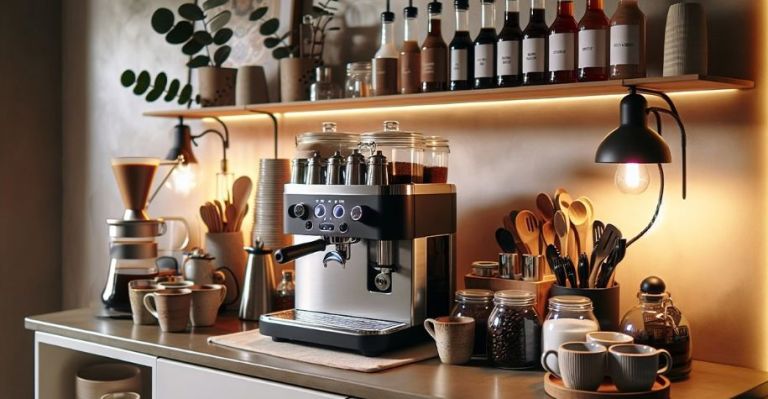
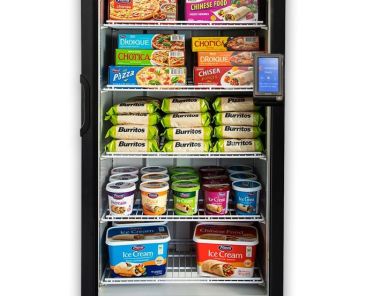
Office coffee and tea service restocked during a new vending service launch.

References

  1. Cantaloupe, Telemetry
  2. Cantaloupe, Seed Pro Vending Management System
  3. Texas DSHS, Self-Service Food Market FAQs
  4. U.S. FDA – 2022 Food Code
  5. OSHA, 29 CFR 1910.141 Sanitation

Transform Your Breakroom

Contact Us Now!

(614) 716 - 9068

Check out our blogs!