
Scroll Top
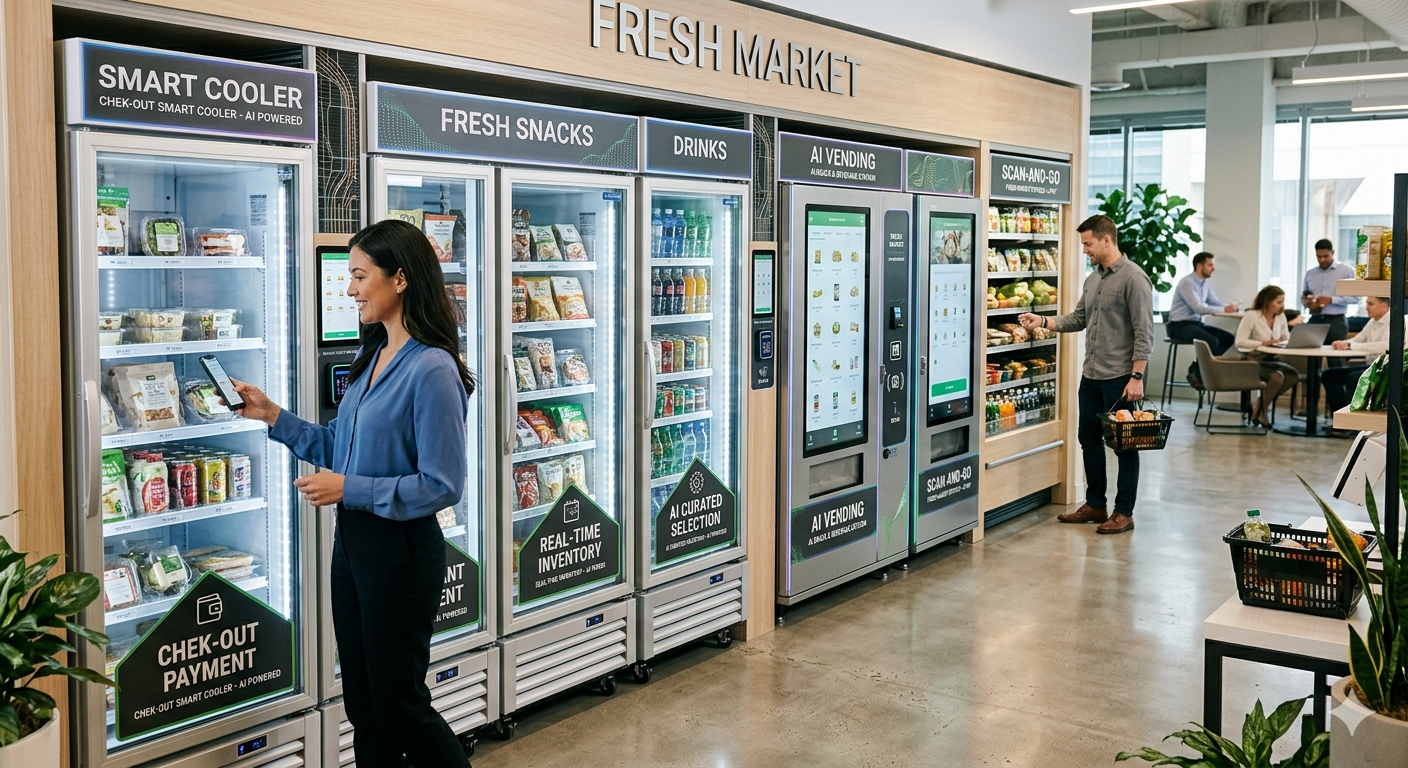
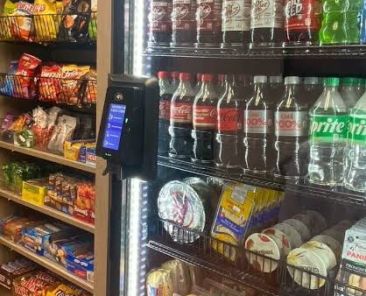
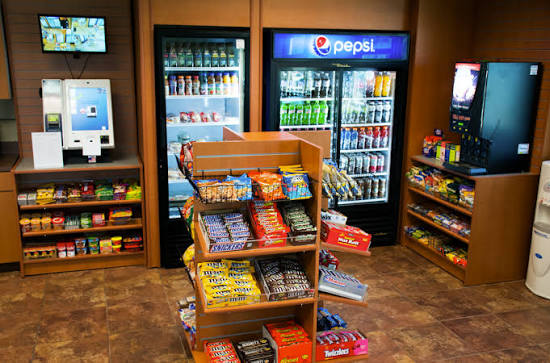
Bright micro market with refrigerated food, drinks, snack shelving, and self-checkout kiosk.

How a Local Vending Company Can Reduce Employee
Complaints and Take Break Room Management Off Your Plate

A break room can become a surprisingly large source of small problems for an office manager, facility director, HR team, or property manager. One employee wants healthier snacks. Another says the drink machine is empty again. Someone reports that a card payment went through but the product did not dispense. The coffee station is out of cups. A refrigerated meal looks old. A machine needs service, and nobody is sure who called the vendor.

None of these issues is especially difficult by itself. The problem is that they keep showing up.

A well-managed local vending company should absorb most of that work. Stocking, product changes, refunds, equipment problems, fresh food rotation, payment issues, cleaning, and service scheduling should be handled by the provider instead of becoming another responsibility for the customer’s staff.

That difference is one of the strongest reasons to evaluate a vending provider based on service capability rather than simply comparing machines and product prices.

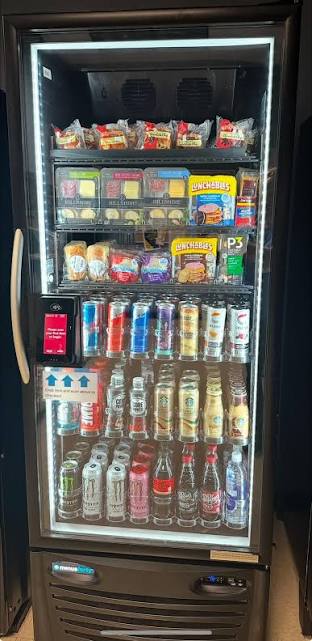
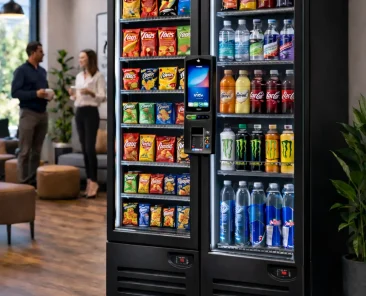
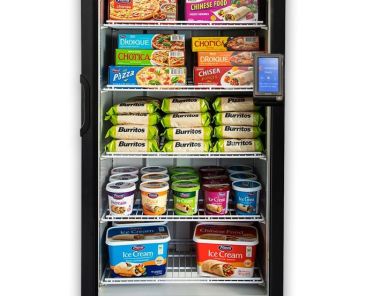
Fully stocked workplace vending machine maintained by a local vending company

Most Employee Vending Complaints Come Back to Service

Employees rarely complain because a vending machine is the wrong shade of black or because the break room does not have the newest equipment. Complaints usually start with something practical.

The employee cannot find the drink they normally buy. A popular snack has been empty for several days. The fresh food selection has not changed. A payment issue happened and nobody followed up. The coffee station ran out of supplies before the next delivery. The machine displays an error and stays that way through several shifts.

These are operating problems.

A local vending company has an advantage when its warehouse, route staff, technicians, and account managers are already working throughout the same service area. A problem does not automatically require escalation through several regional offices before someone can act on it.

Inventory management is a major part of reducing complaints. Modern vending equipment can report sales remotely, allowing the operator to see which products are moving instead of depending entirely on a driver discovering shortages during the next visit. Micro markets and connected coolers provide even greater product-level visibility.

The data becomes useful when the operator actually responds to it.

If bottled water repeatedly sells out before the next delivery, the answer may be higher inventory or another service day. If a particular energy drink barely moves while another brand sells through every week, shelf space should change. If breakfast sandwiches sell heavily before 9:00 a.m., the fresh food order should reflect that demand.

Employee requests should be part of the same process. A vending program does not need to change every time one person asks for a specific product, but patterns matter. Several requests for sparkling water, zero-sugar drinks, protein snacks, or different meal choices are useful information.

Fresh food requires even closer attention. Sandwiches, salads, wraps, yogurt, breakfast items, and refrigerated meals have a shorter selling window than packaged snacks. The provider should manage expiration dates, rotation, temperature, sales velocity, and waste without asking the customer’s facility team to police the cooler.

The same principle applies to coffee. If office coffee service runs out of cups, creamer, filters, or the most popular coffee every week, the problem is not the coffee machine. The service quantities are wrong.

Employee complaints usually contain operational information. A strong provider treats them as data instead of noise.

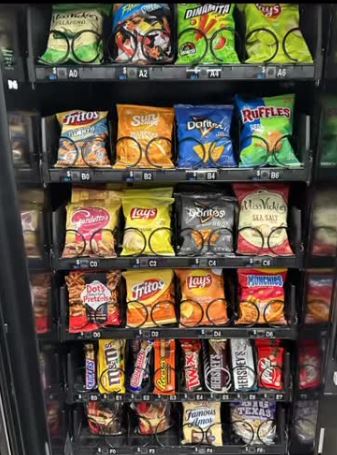
Local vending company managing a fully stocked workplace break room
texas vending logo

Ready to Upgrade Your Break Room?

Texas Vending helps DFW companies add coffee, snacks, fresh food, smart coolers, and micro market service without extra work for your staff.

Get a local team, flexible setup, no contract, and fast support for your break room.
Good Vending Service Removes Work From the Facility Team

A vending account should not create another department for the customer to manage.

The facility manager should not have to count inventory, decide how many cases of soda to order, inspect expiration dates every morning, troubleshoot payment terminals, track down refunds, clean internal machine components, or schedule routine restocking.

Those responsibilities belong to the vending company.

The same is true when a workplace offers several refreshment services. A larger location may have traditional vending machines, a smart cooler, micro market, coffee stations, water equipment, and pantry supplies. Without one accountable provider, each service can create another contact person, invoice, maintenance process, and schedule.

A full-service local operator can manage those pieces together.

Remote sales data helps determine when vending inventory needs attention. Micro-market reporting shows which products are moving. Fresh food sales help control ordering and waste. Coffee consumption helps determine supply levels. Technicians handle equipment failures. Route drivers replenish products. Account managers adjust the program when the workplace changes.

That structure matters because facility teams already have plenty of other responsibilities. HVAC problems, access control, janitorial services, deliveries, contractors, safety issues, office moves, building maintenance, and employee requests compete for attention.

Vending should not become another recurring maintenance project.

Communication is equally important. A customer should know where to report an issue and what happens next. If an employee loses money in a transaction, there should be a refund process. If refrigeration fails, the operator should know how to protect or remove affected food. If a payment reader goes offline, someone should be responsible for troubleshooting it.

Equipment repair is part of the service relationship as well. A machine can be fully stocked and still create complaints if the refrigeration system, payment terminal, keypad, touchscreen, lock, or internal component stops working.

Moving equipment also becomes important over time. Offices renovate. Warehouses move break rooms. Departments expand into neighboring spaces. Companies consolidate floors. A micro market that worked well in one location may need to be relocated because employee traffic has shifted.

A provider that can repair and move its own equipment keeps those changes from becoming another project for the customer.

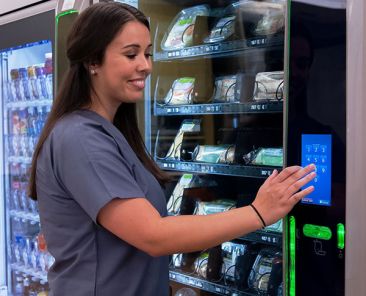
Professional vending machine

Local Accountability Changes What Happens After the Installation

Many vending proposals may look good on installation day. The machines are clean. Every selection is full. The cooler is organized. The coffee station is stocked. Everyone knows the account is new, so it receives plenty of attention.

However, what we’re looking at here is what the account looks like six months later.

That is where local accountability becomes important.

A local vending company depends heavily on its reputation within the same market where it operates every day. The company that installs equipment today may be servicing another customer a few miles away tomorrow. Problems cannot remain abstract when customers, route drivers, technicians, managers, and warehouse operations are all part of the same local service network.

The provider should be able to adjust as the account changes.

A workplace may grow from 80 employees to 140. A warehouse may add a night shift. A corporate office may move to hybrid work and see lower Friday traffic. A medical facility may expand a department. A manufacturing site may change lunch schedules.

Those changes affect product quantities, delivery schedules, coffee usage, fresh food demand, and sometimes the number or type of machines needed.

A vending company should notice those changes and respond before the customer has to manage them manually.

This is also why the lowest product price does not always equal the lowest management cost. Saving a few cents on a snack has limited value if a facility manager spends time every week reporting empty machines, chasing refunds, asking for repairs, and relaying employee complaints.

The stronger vending relationship is the one where the customer rarely has to think about the account.

Products are stocked according to demand. Fresh food is rotated properly. Coffee supplies arrive before they disappear. Equipment problems are handled. Employees have a clear way to report issues. The service plan changes when the workplace changes.

A local vending company earns the account repeatedly after installation.

For the facility manager, that is the real measure of good break room service: fewer complaints coming across the desk and fewer vending problems that require personal attention.

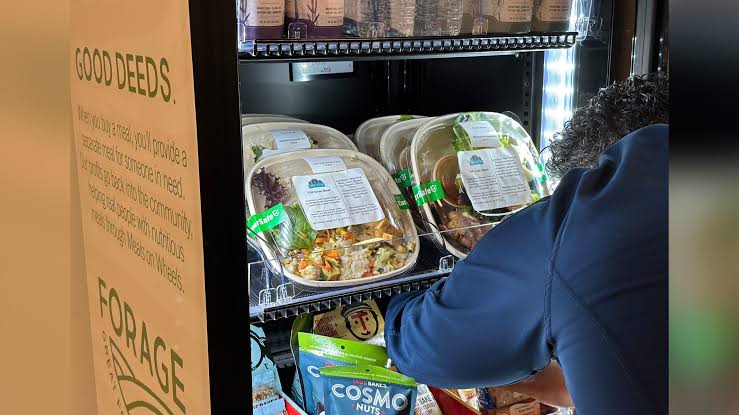
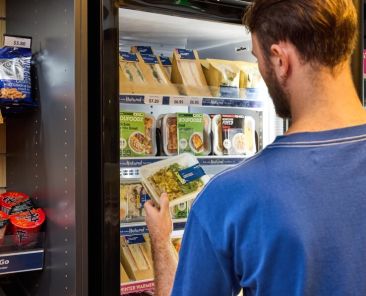
fresh food smart cooler in Garland, Texas

References

  1. Cantaloupe — Seed Live: Remote Vending Monitoring and Sales Data
  2. Cantaloupe — Operator’s Guide to Vending Machine Business Success
  3. Texas DSHS — Self-Service Food Market FAQs
  4. U.S. FDA — 2022 Food Code
  5. OSHA — Sanitation Standard, 29 CFR 1910.141

Transform Your Breakroom

Contact Us Now!

(614) 716 - 9068

Check out our blogs!