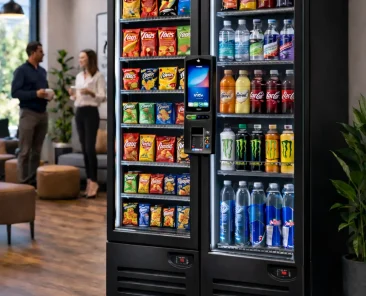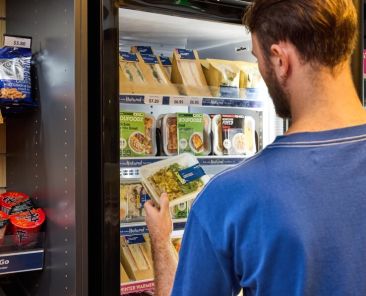

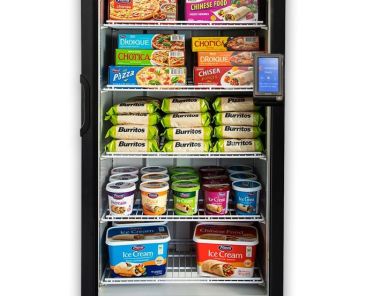
Learn how Irving hospitals can provide after-hours meals, drinks, and fresh food for nurses, technicians, and overnight staff with smart coolers.
The Simple Fix for Shortened Lunch Breaks in DFW Warehouses: Smart Cooler Vending
A 30-minute lunch break rarely gives a warehouse employee 30 minutes to eat.
First comes the walk across the building. In a large distribution center, that can take several minutes. Then there is the time clock, handwashing, the line at the microwave, and the search for an open seat. If someone decides to drive off-site, the lunch period can disappear before the food is even unwrapped.
That is not an unusual problem in Dallas–Fort Worth. The region has a large transportation, material-moving, warehouse, and distribution workforce. Employees in these facilities often work around production schedules, shipping deadlines, rotating shifts, and tightly grouped break periods.
Smart cooler vending cannot change the length of a company’s lunch period. What it can change is how much of that period is left for eating.
Where Warehouse Lunch Time Actually Goes
A Grand Prairie distribution center has 175 employees working across two shifts. The building is large enough that some employees walk nearly five minutes to reach the main break room.
Lunch starts at 11:30 for one group and 12:00 for another. Once the first group arrives, the microwave line builds quickly. Several employees brought frozen meals, two people are waiting to heat burritos, and others are checking the snack and drink machines.
One employee decides to drive to a nearby convenience store. By the time he reaches his car, leaves the property, buys food, and returns through the employee entrance, most of the break is gone.
This is the part people outside warehouse operations often miss. Food availability is only one issue. Time spent reaching, preparing, and buying that food matters just as much.
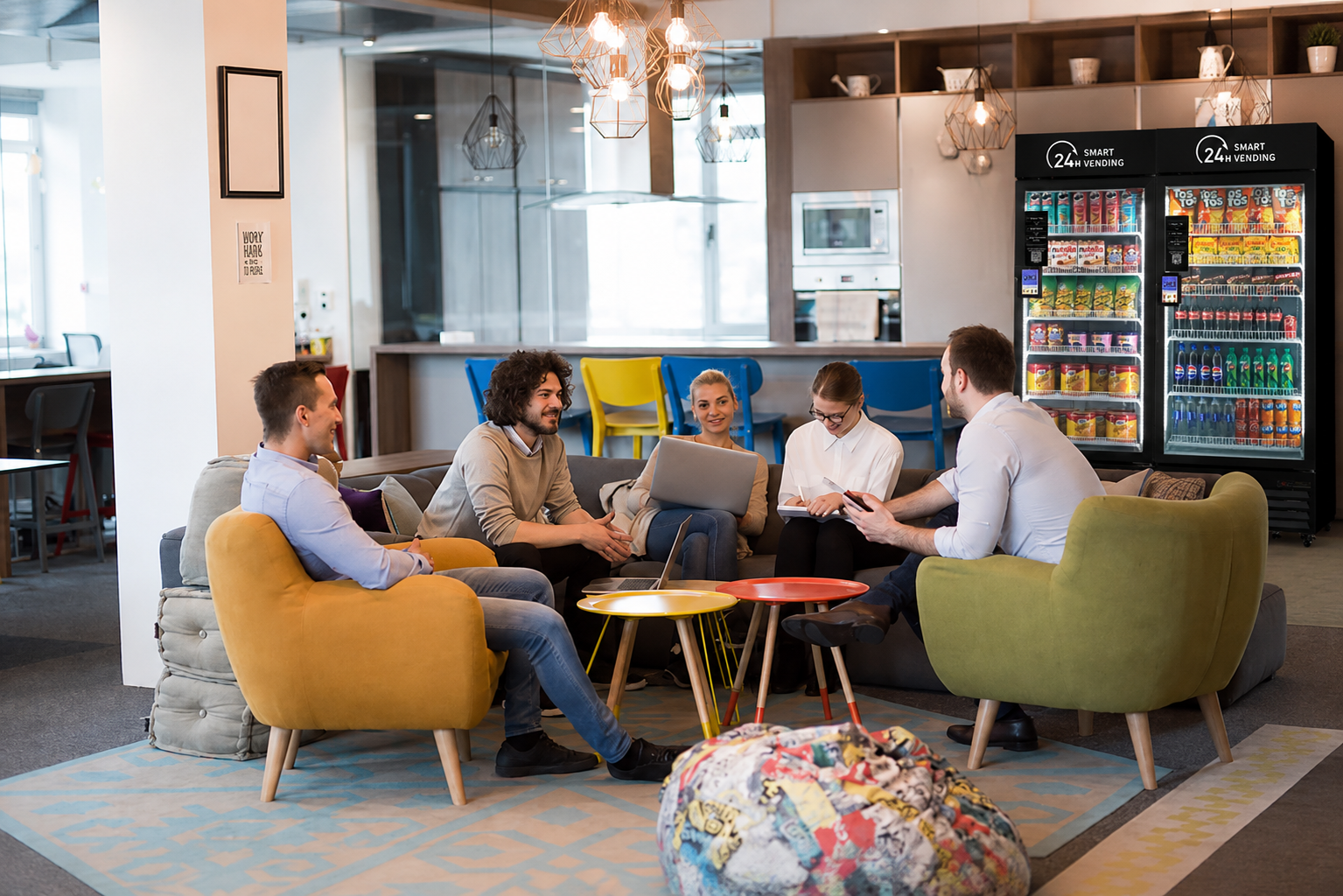
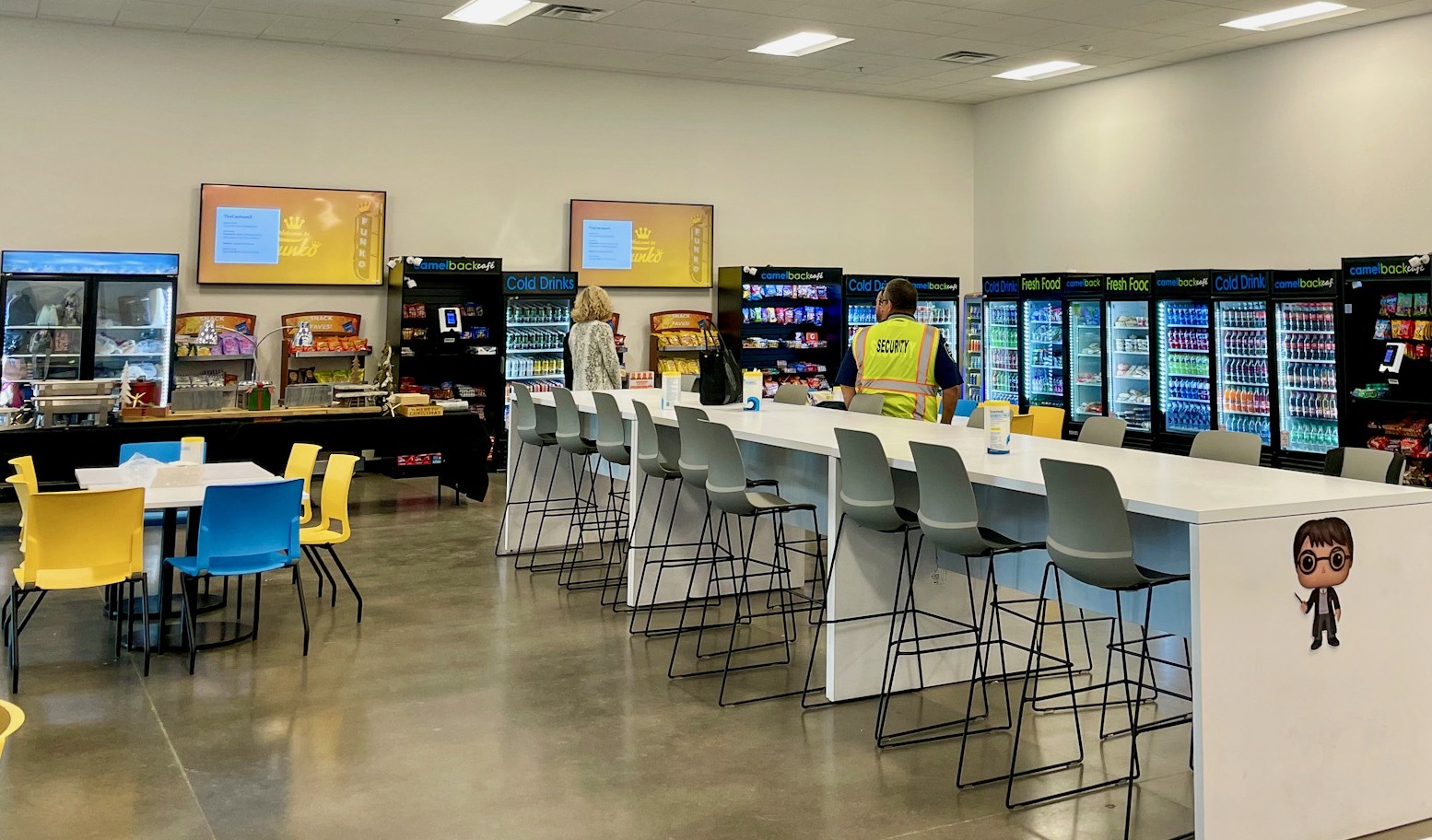
A smart cooler placed near the actual employee break area can shorten that process. Sandwiches, wraps, burritos, salads, yogurt, protein boxes, bottled water, iced coffee, and other refrigerated products are already available. Some items can be eaten cold. Others need only a short microwave cycle.
That gives employees more control over the few minutes they have.
From a vending operator’s perspective, placement is the first decision. I would not put the cooler in a polished front-office hallway just because it looks better there. If warehouse employees take breaks near the floor, the cooler belongs near that traffic.
The route should be tested during a shift change. How long does it take an employee to reach the equipment? Is the cooler behind a badge-controlled door? Does one break room serve the whole building, or are employees divided between separate areas?
A smart cooler five minutes away is not solving a short-lunch
Ready to Upgrade Your Break Room?
Texas Vending helps DFW warehouses and facilities add coffee, snacks, fresh food, smart coolers, and micro market service without extra work for your staff.
Get a local team, flexible setup, no contract, and fast support for your break room.
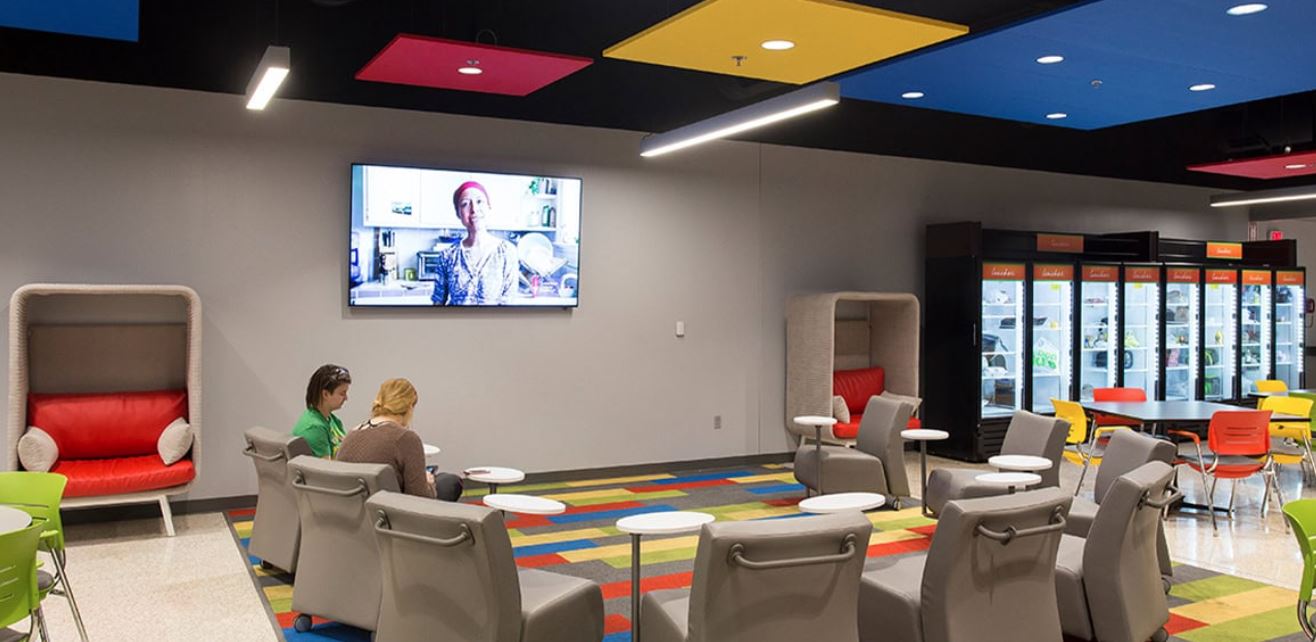
Smart Coolers Give Employees Real Meal Options Without Another Long Line
Traditional vending works well for chips, candy, bottled water, soda, and energy drinks. Those products still belong in many warehouse break rooms.
The gap appears when someone needs lunch rather than a snack.
A worker on a ten-hour shift may want a breakfast burrito, turkey sandwich, chicken wrap, yogurt, fruit cup, or protein drink. If those choices are not available inside the building, the employee has to bring food, order delivery, or leave the property.
A smart cooler gives fresh food service more room than a typical vending machine. Employees can look through a glass door, compare meals, choose several items, and complete one transaction.
That last part matters. Someone can select a sandwich, water, yogurt, and snack in one visit rather than making separate purchases at several machines. The purchase feels closer to a small grab-and-go store.
At the Grand Prairie warehouse, the original cooler assortment included salads, wraps, breakfast burritos, sandwiches, bottled coffee, protein drinks, water, and electrolyte beverages.
The first two weeks showed a clear pattern. Breakfast burritos sold early. Sandwiches and wraps moved during the first-shift lunch. Electrolyte drinks increased during hotter afternoons. Salads sold, but not at the same volume as the provider expected.
A lazy operator would keep loading the same quantities because that was the original plan. A serious workplace vending service changes the mix.
More burritos were added before morning shift. Sandwich space increased. Salad quantity dropped slightly to limit waste. Cold drinks received more capacity during warmer weeks.
That is what experience looks like in a vending account. The first product plan is not sacred. Sales data, employee requests, shift times, and product waste should guide the next delivery.
Smart coolers can also support healthy vending machines fresh food requests without turning every shelf into a diet section. A useful cooler needs balance. Some employees want salads and fruit. Others want burritos, sandwiches, or filling protein items. The product mix should reflect the people working in that building.
The Cooler Only Works When the Service Plan Matches the Warehouse
A smart cooler is not a one-time equipment drop.
Fresh food has to be rotated. Refrigeration needs to be monitored. Popular meals need enough shelf space. The route schedule has to cover every shift, not only the employees who happen to be working when the driver arrives.
A warehouse with 70 employees on one shift may need a different refreshment solution than a 300-person distribution center operating around the clock.
The smaller location may do well with one smart cooler, a cashless drinks machine, and office coffee & tea service for the administrative area. A larger operation may need several coolers or an operated cutting-edge technology micro-market service with refrigerated cases, open shelves, and self-checkout.
Restocking should follow demand. If the overnight crew keeps finding empty sandwich rows, a morning-only delivery schedule is not working. The provider may need to change the visit time, increase capacity, or add another service day.
Fresh food safety matters too. Refrigerated prepared foods need proper cold holding, dating, rotation, and removal procedures. A cooler that loses temperature should trigger a response. Employees should not have to decide whether a sandwich is still safe based on how cold it feels.
Facilities managers should know who monitors temperature alerts, who removes questionable products, and how quickly the provider responds to refrigeration problems.
Repair support belongs in that conversation. Smart coolers rely on refrigeration, locks, screens, sensors, payment equipment, and connectivity. If one component stops working, the provider needs a clear repair process.
Moving service matters because warehouses change layout constantly. A break room may be relocated during an expansion. A production line may shift employee traffic to another part of the building. A cooler that performed well in one location may need to move closer to a new department.
Texas Vending provides break room solutions, smart cooler vending, traditional machines, fresh food service, office coffee & tea service, repair, and vending equipment moving across DFW and North Texas.
Many qualified sites have at least 50 employees or around 50 daily visitors. A North Texas company that installs vending machine for free should still complete a real site review before recommending equipment. Employee count, break timing, access, power, shift schedules, and the route driver’s service path all matter.
Smart cooler vending is a simple idea, but it has to be operated correctly. Put useful meals near the people who need them. Stock around the shifts. Watch what sells. Repair the equipment quickly. Move it when the warehouse layout changes.
The real benefit is not the glass door or the technology. It is giving someone enough time to buy lunch, sit down, and actually eat before the next shift assignment begins.
References
- U.S. Bureau of Labor Statistics — Occupational Employment and Wages in Dallas–Fort Worth–Arlington
- Texas Comptroller — Metroplex Region 2024 Regional Report
- OSHA — Warehousing: Hazards and Solutions
- CDC/NIOSH — Fatigue and Work
- U.S. Food and Drug Administration — 2022 Food Code
Check out our blogs!
See how a local vending company handles stocking, repairs, fresh food, coffee, and employee requests while reducing break room complaints and staff workload.
Learn how Dallas hospitals can provide meals, drinks, and fresh food for nurses, technicians, and staff with vending smart coolers.
Nemo enim ipsam voluptatem quia voluptas sit aspernatur aut odit aut fugit, sed quia consequuntur magni dolores eos qui ratione voluptatem sequi audantium totam…
Learn how Dallas hospitals can provide meals, drinks, and fresh food for nurses, technicians, and staff with vending smart coolers.
Learn how Irving hospitals can provide after-hours meals, drinks, and fresh food for nurses, technicians, and overnight staff with smart coolers.
Learn how Dallas offices, apartments, and commercial properties can qualify for free vending service with $0 installation, no long-term contract, and fast local support.