
Scroll Top

What Happens When You Switch Vending Companies?
A Step-by-Step Guide for North Texas Workplaces

Changing vending companies sounds like a larger project than it usually is.

Facility managers often expect weeks of coordination, equipment removal problems, contract disputes, installation delays, or a break room sitting empty between providers. A properly managed transition should not work that way.

The incoming vending company should handle most of the changeover.

Texas Vending takes that role when replacing another vending provider across North Texas. We coordinate the new equipment, determine when the existing machines leave, plan installation around that schedule, establish the initial product mix, and help the customer identify contract terms that could delay the transition.

The facility team should not have to become the middleman between two vending companies.

The process starts with knowing what service is currently onsite, understanding the outgoing agreement, and choosing a replacement date. Once those pieces are clear, the physical transition itself is usually straightforward.

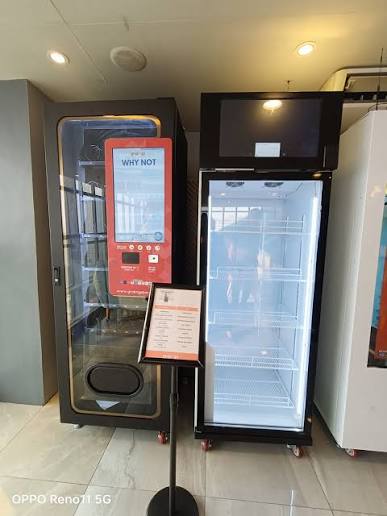
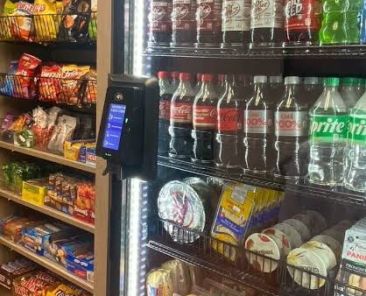
switching vending providers texas vending
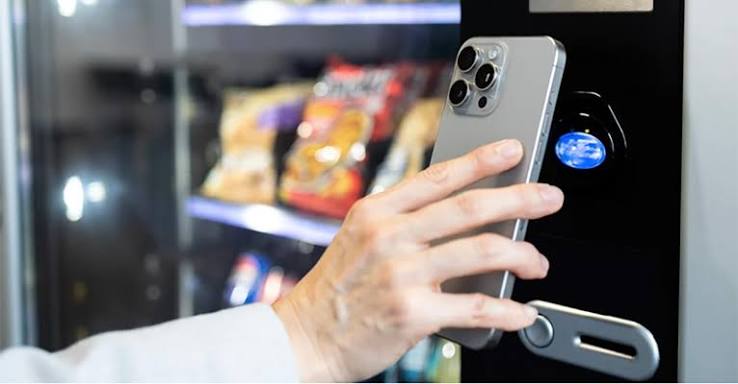
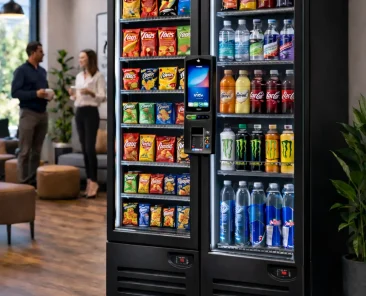
paying using your mobile phone Texas Vending

Switching Vending Companies Starts With a Site Review and Transition Date

We Review What Is Already Working and What Needs to Change

A provider switch usually happens for a reason.

Machines stay empty too long. Repairs take several days. Employees keep requesting products that never arrive. Fresh food selection stays unchanged. Coffee supplies run out. Communication requires several follow-ups. The existing provider no longer fits the size or schedule of the workplace.

Texas Vending documents those problems before recommending replacement equipment.

Employee count, shift schedules, operating hours, break times, building access, current sales activity, available electrical outlets, break room dimensions, and existing equipment all shape the new plan.

We also review what employees already use.

Replacing an existing snack and drink setup does not automatically mean installing another identical vending bank. A workplace with growing fresh-food demand might benefit from a smart cooler. A larger facility could support a micro market. An office might combine vending with office coffee & tea service. A warehouse operating several shifts could require equipment in two separate employee areas instead of forcing everyone into one break room.

The switch gives the customer a chance to correct problems that existed under the previous setup.

Once the replacement plan is approved, the next step is scheduling.

The easiest transition happens when the outgoing machines leave shortly before the incoming equipment arrives.

Texas Vending coordinates installation around the customer’s removal date rather than asking the facility team to remove machines itself.

If the old provider removes equipment on Wednesday morning, the new installation should follow as closely as the site allows. That keeps employees from spending several days without drinks, snacks, meals, or coffee.

The timing becomes especially important at warehouses, manufacturing plants, hospitals, and other workplaces running evening or overnight shifts. A vending bank removed Friday afternoon and replaced Monday morning leaves an entire weekend crew without service.

We plan the changeover around the actual operation of the facility.

The customer provides access and confirms the outgoing removal date. Texas Vending handles the incoming equipment, stocking, payment setup, testing, and launch.

The Old and New Equipment Should Not Leave a Service Gap

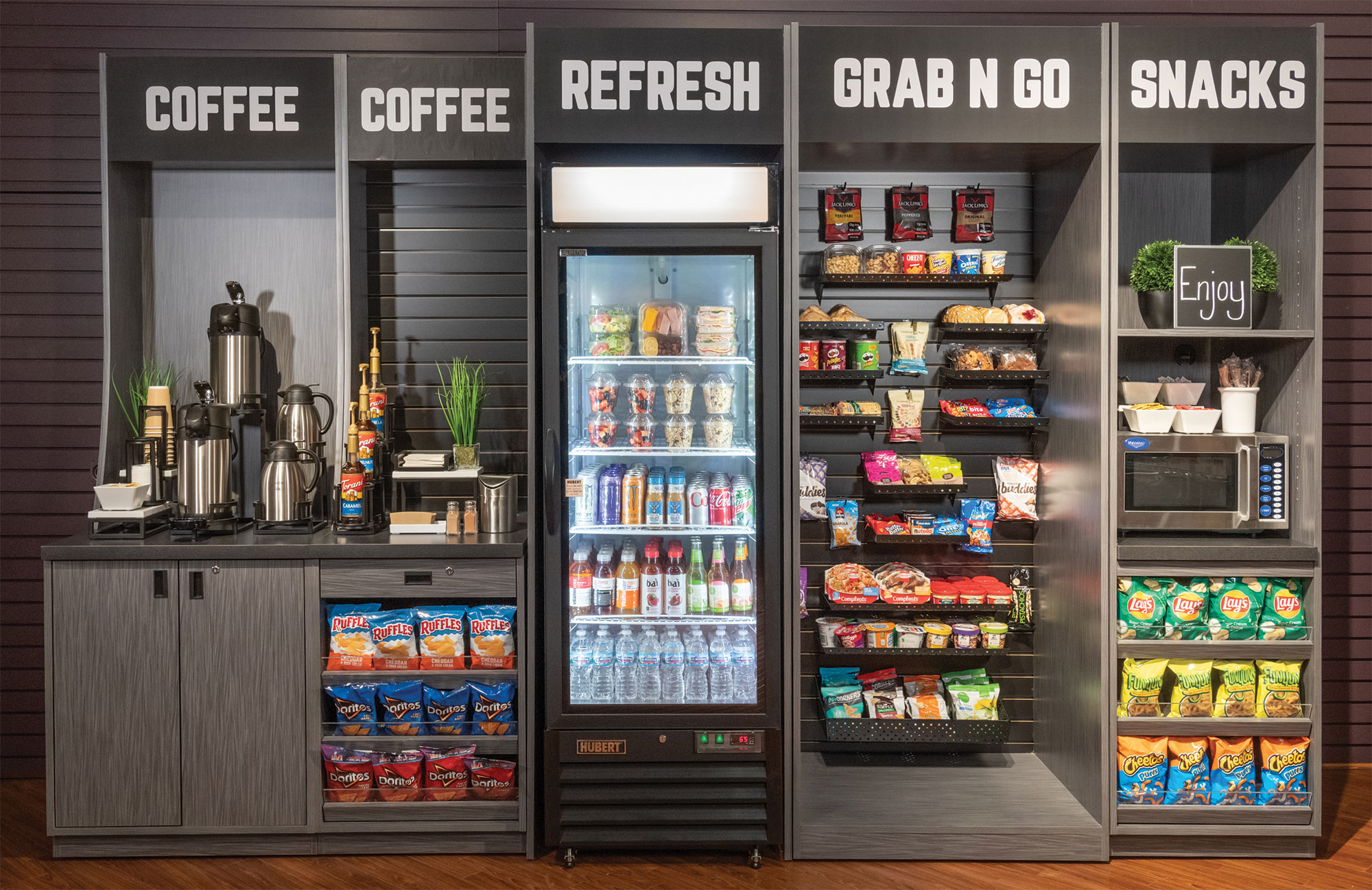
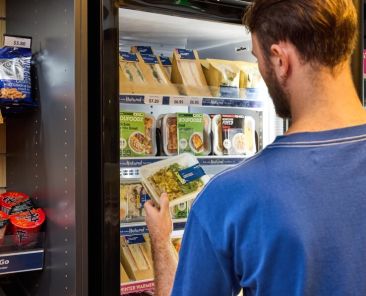
micro market vending North Texas

The Existing Vending Contract Should Be Reviewed Before Equipment Moves

Look at Notice Periods, Renewal, and Equipment Removal Terms

The most common complication during a provider switch is not the equipment.

It is the existing agreement.

Some vending accounts have no written contract. Others operate under agreements signed years earlier by a manager who no longer works at the company.

Before scheduling removal, the customer should locate the current service agreement.

Texas Vending helps review the agreement from an operational standpoint and identifies terms that affect the transition. The areas we look for include termination notice, automatic renewal language, equipment ownership, removal procedures, commissions, exclusivity terms, and any fees connected with ending service.

The customer’s legal or management team should handle disputed legal language, but the vending transition does not have to stop while everyone figures out what operational questions to ask.

Texas Vending offers no long-term contract for qualifying accounts. Customers should not feel trapped with a provider after service quality declines.

 Customers sometimes assume they need to coordinate every detail between the two vendors.

They do not.

Once the outgoing company confirms its removal date, Texas Vending builds the incoming schedule around it.

We confirm equipment dimensions, electrical access, delivery doors, loading areas, elevators, security requirements, installation timing, and the first product load before arriving.

That preparation prevents the common situation where old equipment leaves and the replacement provider discovers afterward that a doorway is too narrow, the electrical outlet is wrong, or the approved location has changed.

Switching providers should feel like replacing one service partner with another, not managing a construction project.

The Incoming Provider Should Help With the Handoff

contract signing

Texas Vending Takes Over the Break Room After the Changeover

Texas Vending handles the incoming side of the transition, coordinates around the outgoing provider, helps identify contract terms that affect the schedule, installs the replacement equipment, stocks it, monitors sales, adjusts inventory, and handles service after launch.

For the facility manager, the process is much simpler than it looks from the outside.

Choose the replacement provider, confirm the existing agreement, establish the removal date, and let the incoming vending company take responsibility for the rest.

The Initial Product Mix Gets Adjusted With Real Sales Data

Installation day is only the beginning of the new account.

The first several weeks tell us how the location actually performs.

Texas Vending starts with a product plan based on employee count, shifts, customer requests, previous sales information when available, and the type of workplace.

Then actual purchasing data takes over.

If one energy drink sells quickly and another sits, shelf allocation changes. If sandwiches move faster than expected, fresh-food quantities increase. If second-shift employees repeatedly empty the cooler before midnight, the restocking schedule changes.

The account does not stay frozen in the configuration selected on installation day.

Connected vending equipment and micro-market technology provide sales information that helps us see product movement between visits. Route staff also report what they see onsite.

This gives us a direct operating picture rather than waiting for the facility manager to report every shortage.

Repairs and Service Become the Incoming Provider’s Responsibility

After installation, equipment problems belong to Texas Vending.

The customer should not troubleshoot payment readers, refrigeration systems, locks, screens, controllers, or machine components.

Texas Vending provides a 24-hour response time for reported service issues across our North Texas service area.

We also handle vending machine moving when the workplace changes. If a department relocates, a warehouse expands, or the break room moves during renovation, the equipment can be professionally relocated and tested again.

Qualified North Texas locations may also receive vending machines, smart coolers, or other equipment with $0 installation cost.

Companies searching for a North Texas company that installs vending machine for free often assume changing providers requires buying replacement equipment. Under a qualified full-service arrangement, Texas Vending owns and services the equipment instead.

The customer does not need to purchase a machine, hire someone to stock it, arrange payment processing, or create an internal repair process.

Switching vending companies should remove problems rather than create new ones.

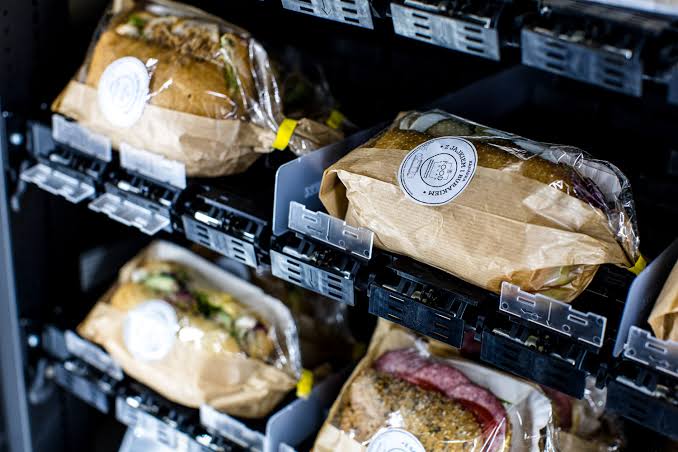
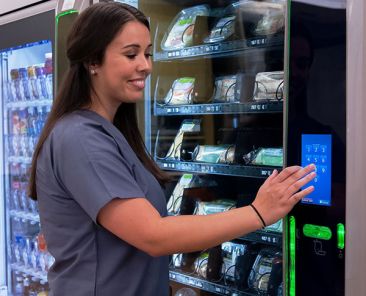
fresh sandwich in a vending machine

References

  1. Cantaloupe — Seed Pro Vending Management System
  2. Cantaloupe — Telemetry
  3. Cantaloupe — Seed Markets
  4. Texas DSHS — Self-Service Food Market FAQs
  5. U.S. FDA — 2022 Food Code

Transform Your Breakroom

Contact Us Now!

(614) 716 - 9068

Check out our blogs!