
Scroll Top

Hidden Problems to Avoid Before Installing a Vending Machine in Your Office

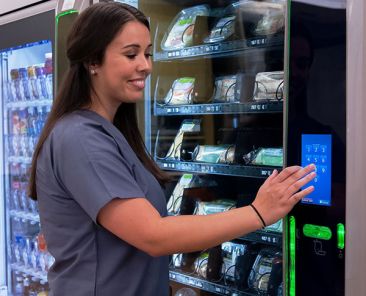
Installing a vending machine in an office may sound straightforward. Choose a machine, place it in the breakroom, fill it with products, and give employees access to snacks and drinks.

The problems usually appear after the decision has already been made.

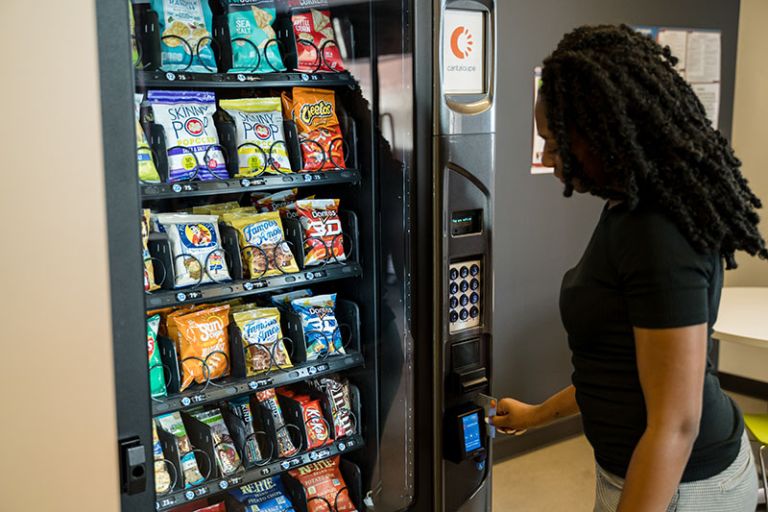
A growing office recently approved a cashless vending machine for its employee breakroom. The facilities manager expected a quick installation, but the planned location did not have the right electrical access. Moving the machine closer to an outlet narrowed the walkway and interfered with the refrigerator door. The building manager then asked for proof of insurance, equipment specifications, and written responsibility for floor damage.

None of these issues meant the office had made a bad decision. They showed why office vending machine installation requires a proper site review before equipment arrives.

Companies can avoid most vending problems by examining the physical space, defining service responsibilities, and reviewing the vendor agreement in advance.

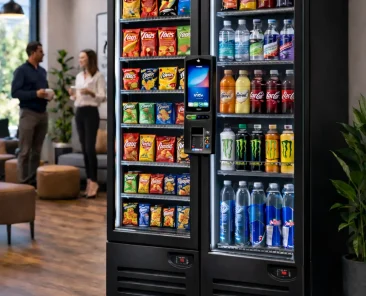
office lounge with smart cooler

Space, Electrical Access, and Building Requirements

The first hidden problem is often the installation area itself.

A vending machine needs more than an empty section of wall. The provider must confirm the equipment dimensions, door clearance, ventilation needs, delivery route, flooring, electrical supply, and access for future restocking and repairs.

A machine that technically fits may still create problems if it blocks a cabinet, limits access to another appliance, narrows a walkway, or prevents staff from moving safely through the breakroom. The location should also provide enough room for employees to approach and use the payment system comfortably.

Accessibility should be considered during planning. Equipment should not obstruct an accessible route, and users should have adequate clear floor space in front of the machine. Facilities teams should review the layout with their property manager when the breakroom is small or located in a shared building.

Electrical planning is equally important. Refrigerated vending machines and smart coolers generally need a dependable outlet positioned close enough for the original equipment cord.

Extension cords and power strips should not become a permanent substitute for suitable building wiring. 

The office in the opening story originally planned to place the machine beside a microwave station. During the site review, the installer found that the available circuit already supported several appliances. The facilities manager moved the vending equipment to a different wall with appropriate power instead of risking repeated electrical interruptions.

The delivery path also needs attention. The vendor should measure elevators, doorways, turns, loading areas, and hallway widths before installation day. A machine may fit perfectly inside the breakroom but still be impossible to move through a narrow service entrance.

Property approval can create another delay. A tenant may need written permission before adding large equipment, especially if installation involves wall protection, floor mats, network connections, or changes to an electrical outlet. Building management may also request insurance documents and delivery scheduling outside normal business hours.

texas vending logo

Ready to Upgrade Your Break Room?

Texas Vending helps North Texas offices add coffee, snacks, fresh food, smart coolers, and micro market service without extra work for your staff.

Get a local team, flexible setup, no long-term contract, and fast support for your break room.

Food Safety, Maintenance, and Responsibility for Problems

The second group of risks appears after the machine begins operating.

Cashless vending equipment removes the need to manage physical currency, but the office still needs a clear process for product quality, refrigeration, cleaning, payment questions, and equipment failures.

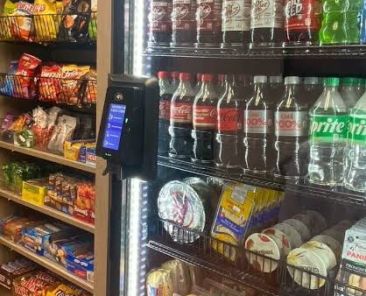
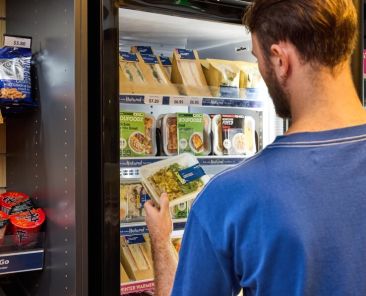
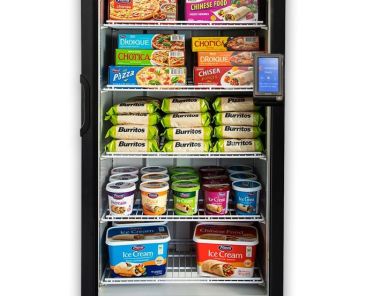
Fresh food requires particular attention. A smart cooler stocked with salads, wraps, sandwiches, yogurt, or prepared meals must maintain proper refrigeration. Products also need clear dating, regular rotation, and prompt removal when they reach their approved shelf life.

The vendor agreement should explain who monitors temperature, removes expired products, cleans the interior, and responds if refrigeration fails. Office employees should know whom to contact if they notice a warm cooler, damaged package, unusual odor, or product quality concern.

Consider an office with 120 employees that adds a smart cooler after staff request healthier lunch options. The program begins well, but the facilities manager later discovers that no one has documented how often the cooler should be cleaned or how quickly a temperature alert should be addressed.

A professional workplace vending service should answer those questions before installation.

The provider should have a defined restocking schedule, food rotation process, remote monitoring plan where available, and service procedure for refrigeration issues.

Maintenance responsibility should also be written clearly. The office should not assume that every repair is automatically included. The agreement should identify who handles the card reader, refrigeration system, touchscreen, shelves, door locks, and damage caused by misuse or building conditions.

Liability questions deserve attention as well. Companies should confirm that the vending provider carries appropriate insurance and understand how claims involving equipment damage, water leakage, electrical problems, or product concerns would be handled.

The office may also need to protect the surrounding area. Heavy equipment can damage certain flooring, while condensation or spills may create cleaning concerns. Floor protection, proper leveling, ventilation space, and a cleaning plan can prevent small issues from becoming property disputes.

Employee communication can reduce service calls. A simple sign should explain that the equipment is cashless, identify accepted payment methods, provide refund instructions, and list the correct service contact. Employees should report problems to the vending provider instead of attempting to move, unplug, open, or repair the machine.

Vendor Agreements, Service Expectations, and Avoiding Disputes

The third hidden problem is often the agreement rather than the equipment.

A company may accept free vending machine placement without reviewing the service terms closely. Later, management discovers an automatic renewal clause, equipment removal fee, sales minimum, exclusive service requirement, or notice period that was not discussed clearly.

Before signing, the office should understand the contract length, cancellation process, ownership of the machine, restocking schedule, product pricing, commission terms, damage responsibility, and conditions for removing or replacing equipment.

Free installation” should also be defined. Ask whether it includes delivery, placement, payment equipment, setup, future relocation, removal, and standard maintenance. A clear written answer prevents disagreements later.

Service expectations should be measurable. Instead of accepting a vague promise of regular service, ask how often the location will be checked, how sales are monitored, how sold-out products are handled, and how quickly equipment problems receive a response.

A professional vendor should also explain how product requests work. Employees may initially request healthy snacks, fresh meals, sparkling water, energy drinks, or specific coffee products. The selection should be reviewed using actual sales rather than remaining unchanged for months.


One office selected a provider based entirely on equipment appearance. Three months later, popular drinks were regularly unavailable, fresh food selection had not changed, and service requests went unanswered. The office then learned that the agreement required a lengthy notice period before cancellation.

A more careful review would have revealed the mismatch before installation.

Texas Vending uses cashless vending equipment and reviews qualified locations based on employee count, daily traffic, space, and expected use. Locations with at least 50 employees or approximately 50 daily visitors may qualify for free vending placement. Available options can include traditional vending machines, smart coolers, micro markets, office coffee, water service, and fresh food.

Before approving any office vending machine installation, schedule a site assessment and request written answers about power, access, food safety, maintenance, insurance, response time, equipment ownership, and cancellation terms.

A vending machine can be a useful office amenity, but the installation should never begin with assumptions. Careful planning protects the workplace, the vendor relationship, and the employees who use the equipment every day.

contract signing

References

  1. Occupational Safety and Health Administration, Use of Flexible Cords and Cables for Permanent Wiring.
  2. U.S. Department of Justice, 2010 ADA Standards for Accessible Design.
  3. U.S. Food and Drug Administration, FDA Food Code.
  4. Federal Trade Commission, Automatic Renewals and Negative Option Agreements.
  5. Occupational Safety and Health Administration, Small Business Safety and Health Handbook.

Transform Your Breakroom

Contact Us Now!

(614) 716 - 9068

Check out our blogs!