micro markets · compliance · facilities
Texas Micro Market Rules for Employers
By Maica Ibarra5 min read
Short answer: Texas treats a workplace micro market as a “self-service food market,” a type of retail food establishment, under 25 TAC § 228.225. The rule allows an unstaffed market if it has 24/7 video surveillance with 14 days of records, a responsible party for inspections, labeled and tamper-evident packaging, coolers that stop sales if they fail, and a contact sign at the kiosk. The market operator carries these duties. The host business provides the space.
If your company is weighing a micro market, legal or risk teams will ask whether an unstaffed food store is allowed on site. In Texas it is, and the state has written rules for it. This post walks through each requirement in plain English. It is general information, not legal advice.
What Is a Self-Service Food Market in Texas?
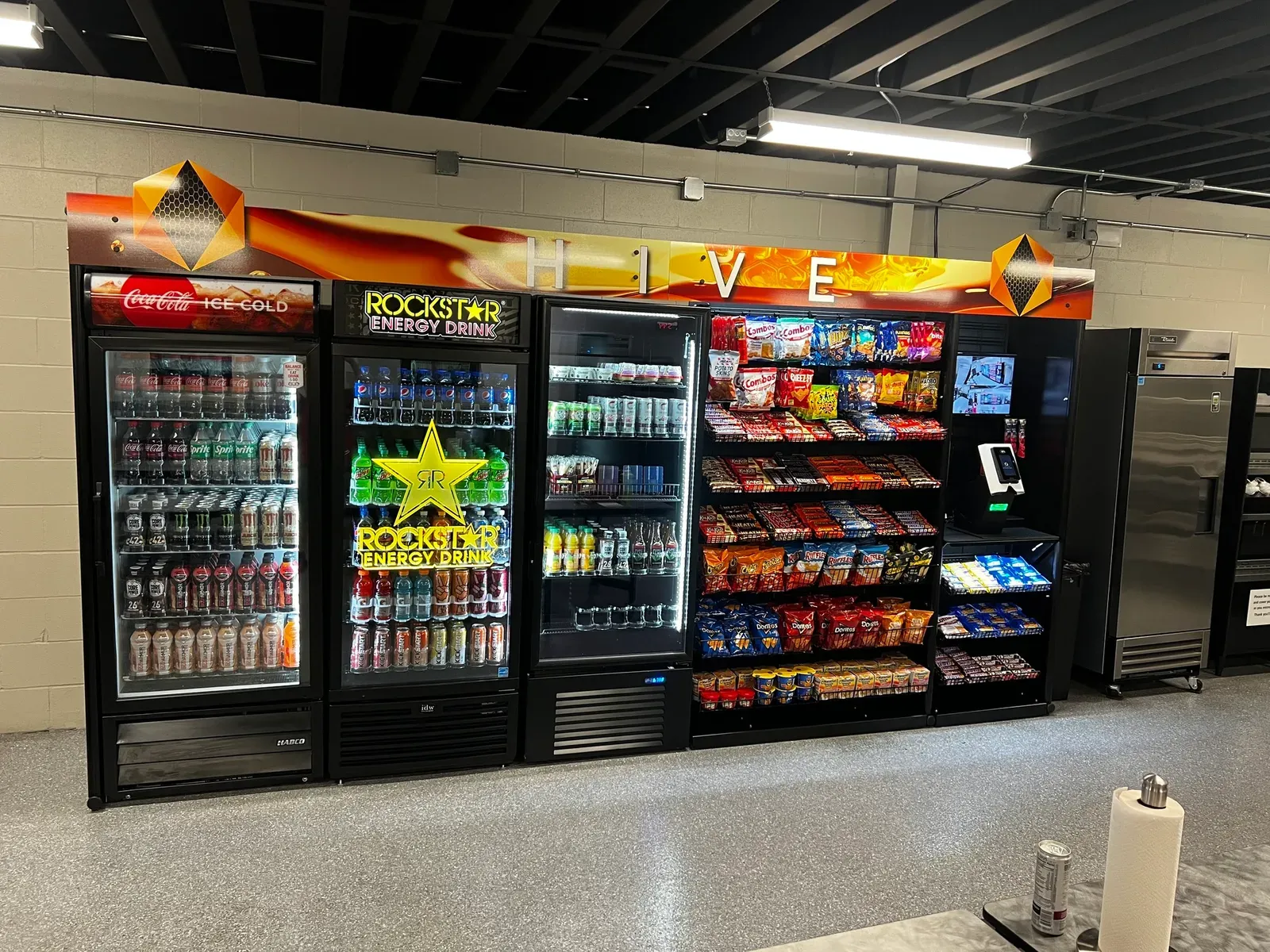
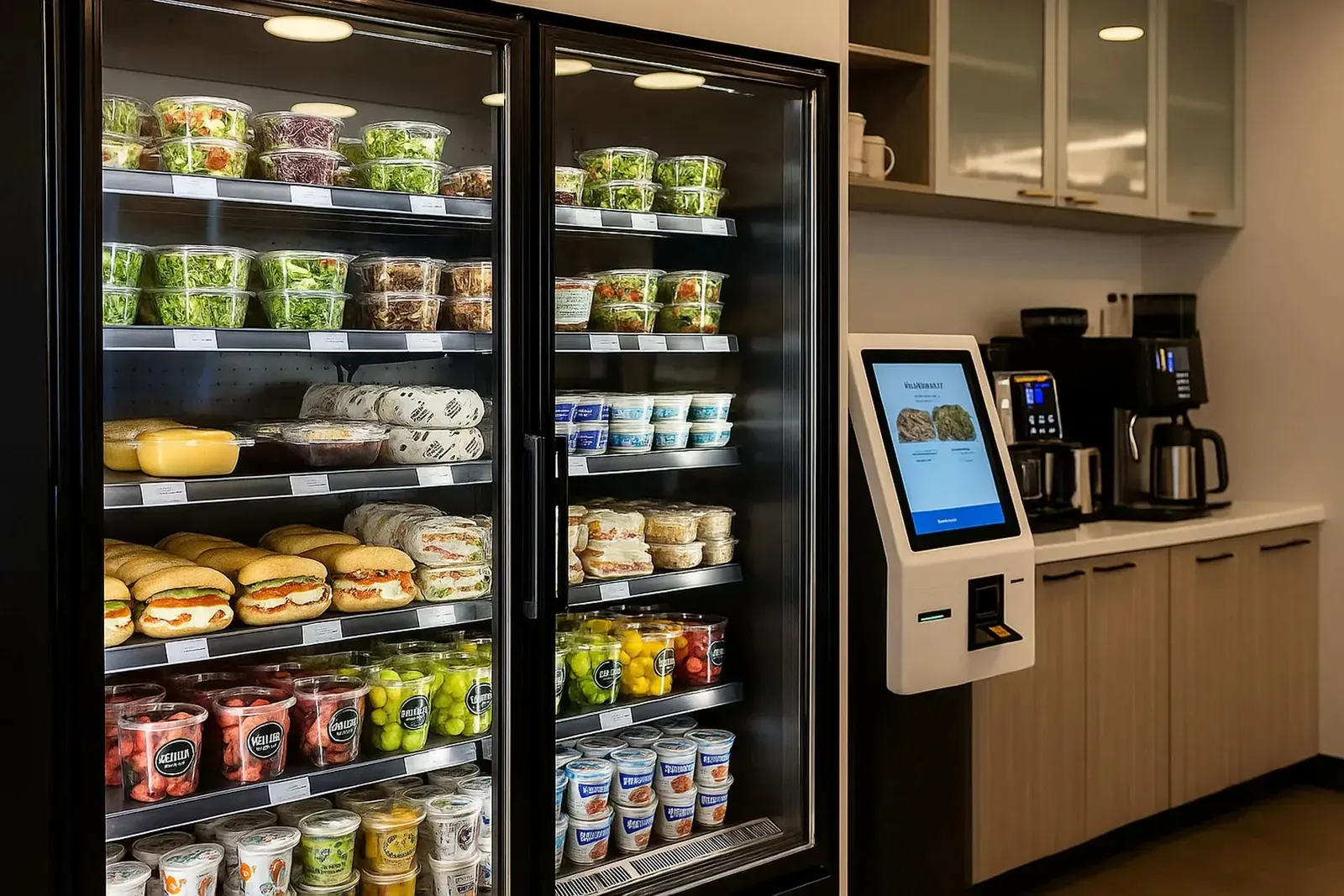
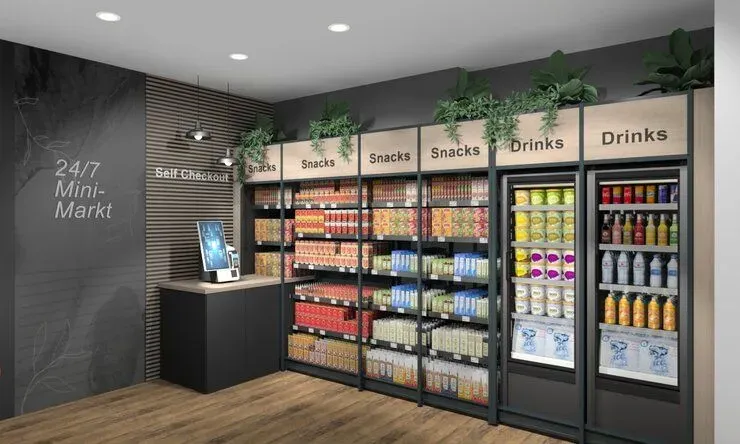
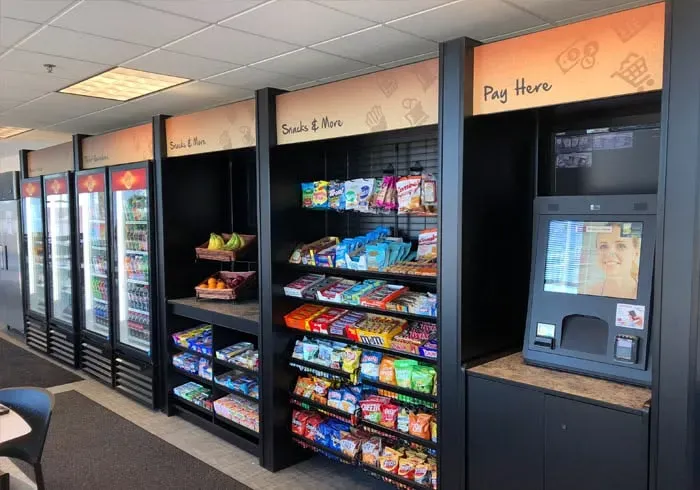
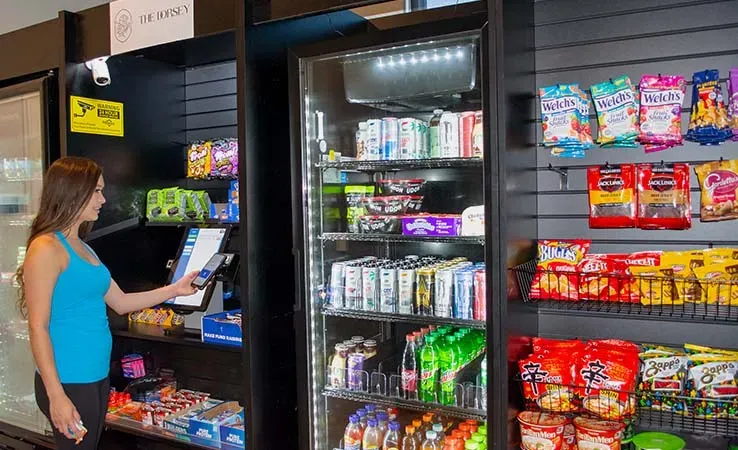
The Texas Department of State Health Services (DSHS) describes a self-service food market as an unstaffed market that sells prepackaged food, including refrigerated or frozen food that needs temperature control. Shoppers pick items from open racks or coolers, scan them at a kiosk, and pay. No employee is present.
DSHS says these markets are meant for closed locations: moderately secured workplaces serving a known group of employees, away from heavy public traffic. That is exactly the setting of an office, warehouse, or plant break room.
What Does 25 TAC § 228.225 Require?
Video surveillance
The market must keep 24/7 video surveillance records of shoppers viewing, selecting, handling, and buying products. Records are kept for 14 calendar days and made available to the regulatory authority.
A responsible party
The operator must tell the regulatory authority who will be available for routine inspections.
Labeled, tamper-evident packaging
Prepackaged food must meet the Food Code labeling rules and be tamper evident. Food past its date, missing a date mark, or held outside time and temperature limits must be thrown out.
Coolers that stop sales when they fail
Refrigerated display units for temperature-sensitive food need an automatic shut-off, or a plan approved by the regulatory authority, that stops sales during a power or equipment failure until the unit is serviced. Units must have a self-closing door or, if open, hold food at 41°F or below.
A contact sign at the kiosk
A sign visible from the payment kiosk must list the business to contact with complaints, its address, and its phone number and email or website.
No person in charge on site
A market that follows § 228.225 does not need a person in charge on site during operating hours.
What Else Does DSHS Say?
The DSHS FAQ adds practical points:
- Licensing. These markets are retail food establishments, so the local regulatory authority may charge a license fee. DSHS says they should be classified as low risk. Plan review happens only where the local jurisdiction requires it.
- No sinks required. Because no food is prepared and no utensils are washed on site, a hand sink and a three-compartment sink are not required.
- Produce. Whole produce such as bananas or grapes may be sold only if it is ready to eat: washed and prepackaged for retail.
Rules and local practice change. Check with your city or county health department for local permit steps.
What Does the Host Business Do?
In a typical full-service program, the operator owns the equipment, buys and labels the food, runs the cameras, keeps the records, and handles inspections. The host business:
- Provides the space, a power outlet, and access for service visits.
- Keeps the market in a closed area used by employees and regular visitors, not a public lobby.
- Asks the vendor how each requirement above is met, and gets the answers in writing.
Ask any micro market vendor these questions before you sign. Our vending contract checklist covers the business terms, and what is a micro market explains the basics.
Frequently Asked Questions
Are micro markets legal in Texas?
Yes. Texas regulates them as self-service food markets under 25 TAC § 228.225, part of the Texas Food Establishment Rules.
Does a Texas micro market need an employee on site?
No. A self-service food market that follows § 228.225 does not need a person in charge on site during operating hours.
Does a micro market need cameras in Texas?
Yes. The rule requires 24/7 video surveillance of shoppers viewing, selecting, handling, and buying products, with records kept for 14 calendar days and available to the regulatory authority.
Can a micro market sell fresh food in Texas?
Yes, if it is prepackaged, labeled, and tamper evident, and the cooler keeps it at 41°F or below with a self-closing door or an automatic shut-off if the unit fails.
Who handles micro market compliance, the vendor or the host business?
The market operator handles the equipment, food, labels, and records. The host business provides the space and access, and should confirm with its vendor how each requirement is met.
A Micro Market Built for Texas
Texas Vending designs, installs, stocks, and services micro markets and AI smart coolers across Dallas–Fort Worth, with fresh food your team will actually eat. Placement is free at locations with at least 50 people in total foot traffic, counting employees and visitors, and there is no long-term contract. Running a manufacturing plant or office? Book a free site visit.
General information, not legal advice. Confirm current requirements with DSHS or your local health authority.
Sources
- Texas Administrative Code, 25 TAC § 228.225, Self-Service Food Market
- Texas Department of State Health Services, Self-Service Food Market FAQs